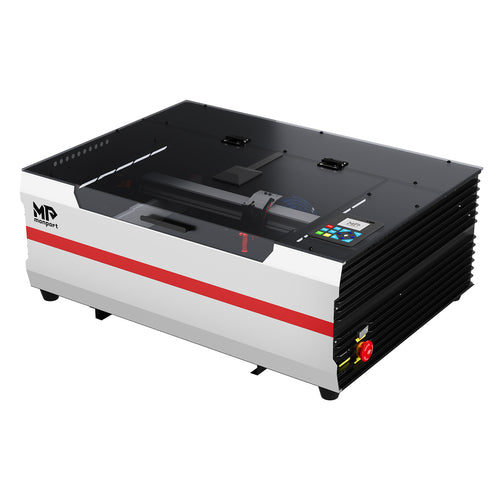
Acrylic engraved signs look “professional” when three things are consistent: placement, frosted detail, and clean edges. Whether you’re producing storefront logos, office wayfinding, wedding signage, or retail displays, a CO2 laser workflow helps you move from one-off custom jobs to repeatable production. This updated guide keeps the original intent (acrylic signage + Mega-class CO2), but reframes it around Monport’s current promoted desktop model: Monport Mega S.

Why CO2 is the go-to for acrylic engraved signs
Acrylic signage rewards clean, predictable energy delivery. With a CO2 laser, you can engrave crisp frosted graphics (letters, logos, QR codes) and cut sign blanks with a consistent edge—especially on common cast acrylic sign materials. If your work includes clear acrylic, CO2 is often preferred because clear acrylic can be difficult for visible-light diode lasers without workarounds.
What makes Mega S a strong “sign shop” workflow upgrade
A sign business isn’t just about power—it’s about repeatability. Mega S highlights workflow tools designed to reduce manual setup steps, including camera preview for placement, fast alignment, and batch-oriented engraving tools like Smart Batch Fill. For the current spec list and included features, verify on the official page: Mega S product page.
Mega S specs that matter for acrylic signs
- Laser power: 70W CO2
- Working space: 27.56" × 13.78" (700 × 350mm)
- Max working speed: 600mm/s
- Detail support: recommended 300DPI, supports up to 1000DPI
- Exhaust fan: > 500 CFM (helps keep acrylic engraving cleaner)

Step-by-step: creating professional acrylic engraved signs
1) Choose the right acrylic (cast vs extruded)
- Cast acrylic is often preferred for a brighter, more even frosted engraving.
- Extruded acrylic can engrave differently (sometimes less “white” frost), so test first.
- If you need a “paint-filled” look, plan your engraving depth and cleanup method before you start production.
2) Build a placement workflow (this is where profits hide)
The fastest sign shops don’t “eyeball” alignment—they standardize it. Use a simple jig for repeat blanks, and confirm placement before engraving. Mega S highlights a camera preview approach for positioning, which is especially helpful for:
- logos that must be perfectly centered
- multi-name batches (office doors / desk plates)
- layered signs (engrave + cut parts that must align)
3) Lock focus for consistent frosting
Acrylic engraving looks most premium when the frosting is uniform. Mega S highlights Auto Focus to help keep focus consistent when materials vary slightly in thickness. See Mega S workflow features.

4) Starter engraving settings (then dial in with a test grid)
Acrylic varies by brand, thickness, and finish, so treat these as starting ranges:
- Power: low–mid (increase gradually for a whiter frost)
- Speed: mid–fast (slow down only if the frost is too light)
- Line interval: tighter for detail; loosen if you see haze from overheating
- Air assist + exhaust: keep enabled for cleaner engraving and less residue
Pro tips for “shop-grade” acrylic signage
- Masking film helps: it reduces surface residue and makes cleanup faster.
- Batch your jobs: group similar sizes/materials to minimize setup changes.
- Standardize finishes: decide whether you’re selling frosted-only, paint-filled, or layered signs—and build one repeatable process per finish.
- Use consistent vector settings: keep logos and text stroke thickness consistent to avoid “soft” edges.
When Mega S makes the biggest difference
If you’re producing a few signs a month, almost any CO2 workflow can work. If you’re producing signs every week, Mega S is positioned as a faster, more repeatable system for batch-style work (camera placement, fast alignment, and batch layout tools). If you want to see the full current feature list and what’s included, verify here: Monport Mega S product page.