


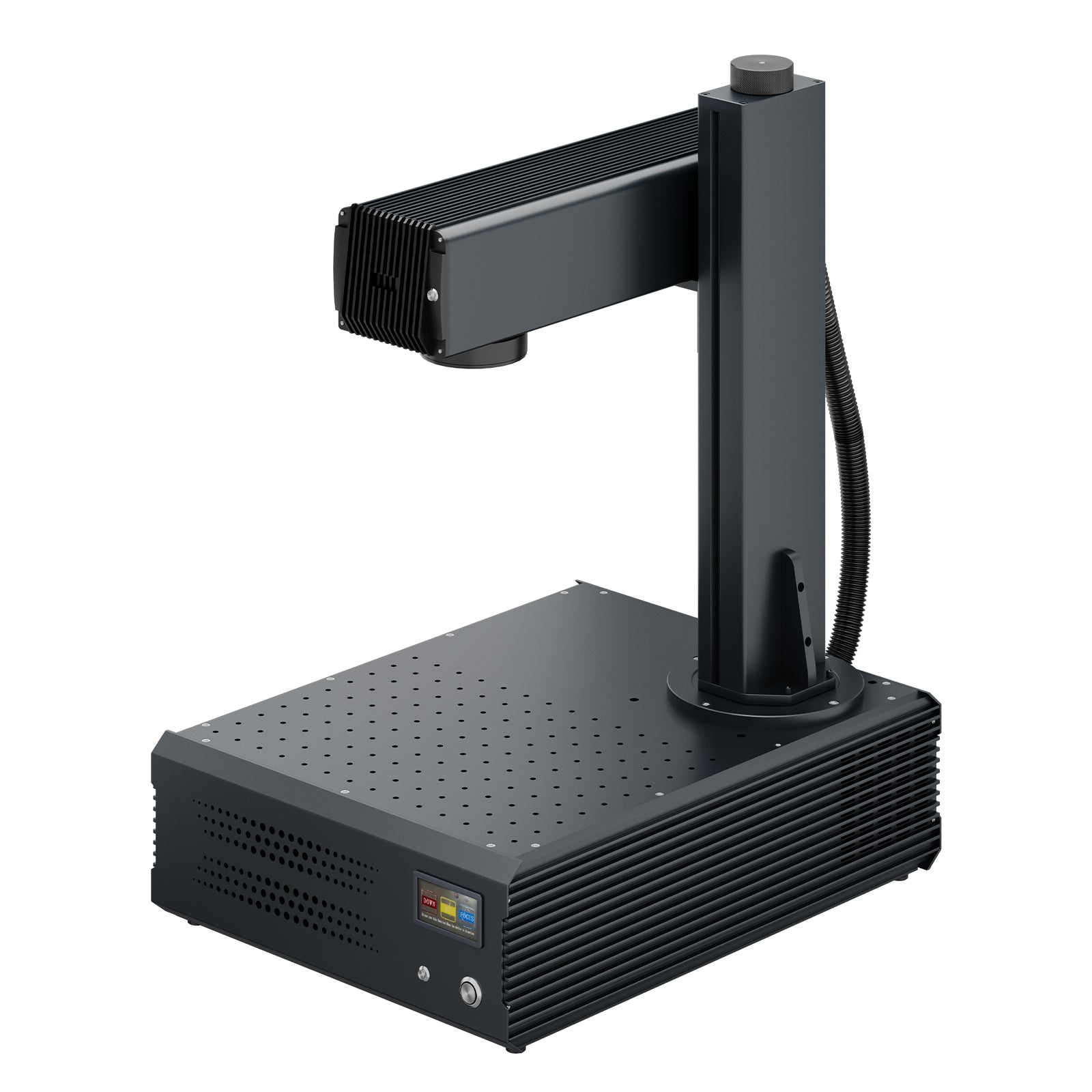

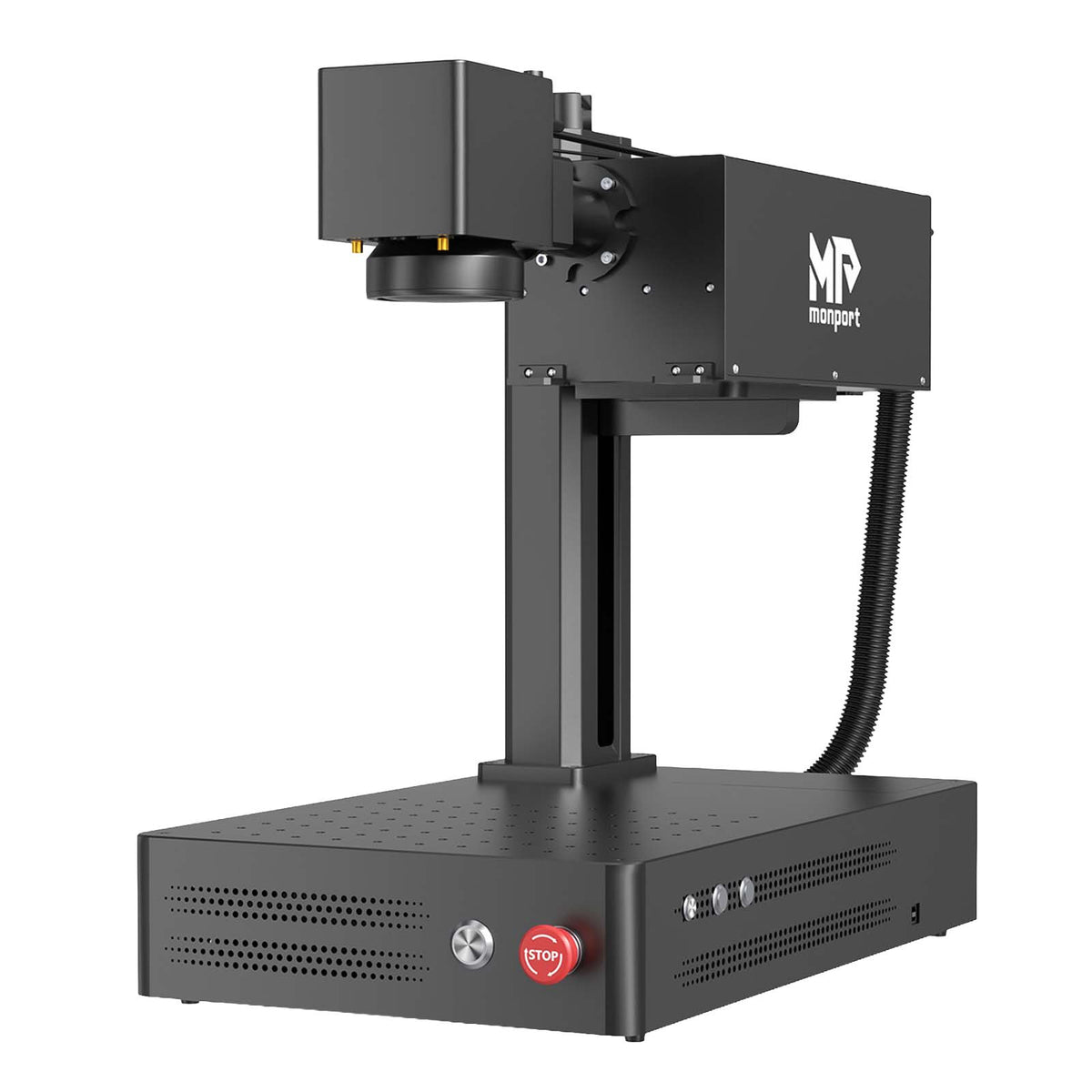
Monport 6W/10W UV Pro Galvo Laser Engraver & Marking Machine for 3D Inner Engraving in Glass
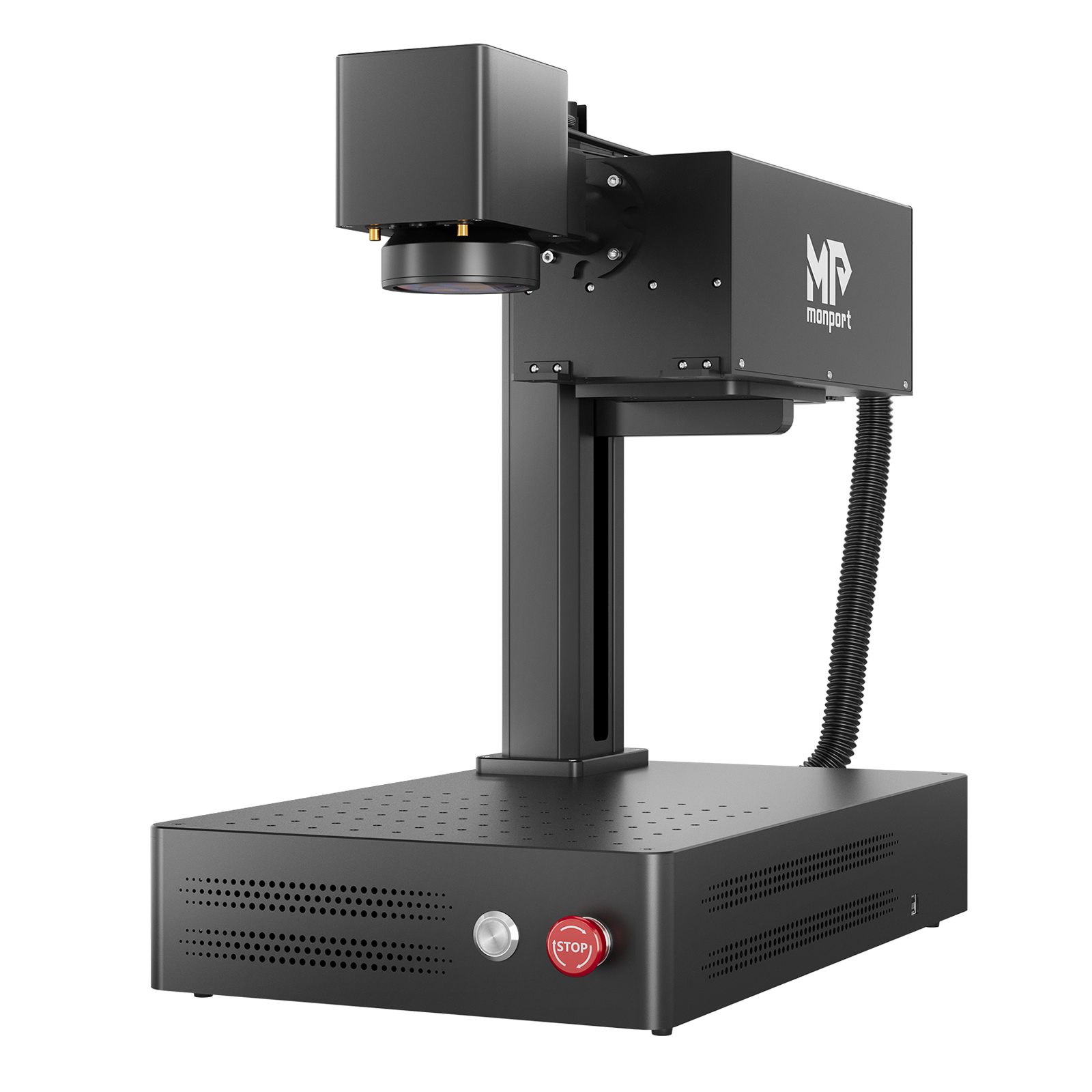
Monport 6W/10W UV Galvo Laser Engraver & Marking Machine for 2D Inner Engraving in Glass
Frequently Asked Questions
What is a UV laser and how does a UV laser engraver work?
What is a UV laser and how does a UV laser engraver work?
A UV laser uses a short 355 nm wavelength to create precise, low-heat “cold marking.” A UV laser engraver works through photochemical reactions rather than burning, allowing highly detailed engraving with minimal material damage.
What is a UV laser marking system used for?
What is a UV laser marking system used for?
A UV laser marking system is used to create permanent marks like logos, barcodes, QR codes, and serial numbers on delicate materials. It is widely used in electronics, medical devices, and packaging due to its precision and clean results.
What materials can a UV laser engraving machine process?
What materials can a UV laser engraving machine process?
A UV laser engraving machine can process plastics, glass, ceramics, metals, leather, and coated materials. Its low-heat process ensures sharp, high-contrast results without cracking or discoloration.
What is the difference between a UV laser and other laser types?
What is the difference between a UV laser and other laser types?
A UV laser differs from CO2 and fiber lasers by using cold marking instead of heat. This allows a UV laser engraver to work on sensitive materials without burning, making it ideal for micro-marking and precision applications.
Is a UV laser engraving machine suitable for industrial use?
Is a UV laser engraving machine suitable for industrial use?
Yes, a UV laser engraving machine is designed for industrial and professional use. It supports high-precision, high-speed production while maintaining material integrity, making it ideal for manufacturing and large-scale glass laser marking tasks.
Which is better — a 6W or 10W UV laser?
Which is better — a 6W or 10W UV laser?
A 10W UV laser works faster, with deeper and higher-contrast markings, making it ideal for production and industrial applications. A 6W UV laser is more compact and affordable, perfect for fine-detail work like jewelry or microelectronics. Choose 10W for speed and output, 6W for precision and cost-efficiency.
What power options are available for a UV laser engraver?
What power options are available for a UV laser engraver?
A UV laser engraver typically comes in 6W and 10W models. A 6W UV laser is ideal for fine detail work, while a 10W UV laser marking system offers faster speed and stronger performance for industrial applications.
How long does a UV laser engraver last?
How long does a UV laser engraver last?
A UV laser engraver usually lasts between 10,000 and 20,000 hours depending on maintenance and usage. Proper cooling and regular care help extend the lifespan of the UV laser engraving machine.
Where can I find a UV laser for sale and who should buy one?
Where can I find a UV laser for sale and who should buy one?
You can find a UV laser for sale through trusted manufacturers like Monport. A UV laser engraving machine is ideal for manufacturers, small businesses, and creators who need precise, non-damaging marking on delicate or high-value mater
Looking for advanced marking technology that delivers flawless results without damaging delicate materials? A UV laser engraver is the ultimate solution for ultra-fine, high-precision applications. Designed for cold processing, a UV laser engraving machine minimizes thermal impact, making it perfect for sensitive materials like plastics, glass, and coated metals.
Unlike traditional laser systems, UV laser marking uses a shorter wavelength that reduces heat-affected zones. This ensures clean edges, sharp contrast, and permanent marks with zero burning or warping.
Precision UV Laser Marking Without Material Damage
A professional UV laser marking machine allows you to engrave serial numbers, QR codes, barcodes, logos, and intricate micro-patterns with exceptional clarity. Thanks to cold laser technology, the UV laser beam breaks molecular bonds instead of burning the surface — delivering smooth, precise, and damage-free results.
Whether you're working with:
Plastics and polymers
Glass and crystal
Ceramics
Coated or delicate metals
Electronic components
A UV laser engraving machine ensures maximum precision with minimal material stress.
Industrial Applications to Custom Artwork
From large-scale industrial production to personalized custom artwork, a UV laser engraver provides unmatched versatility. Manufacturers rely on UV laser marking machines for:
Medical device marking
Electronic component engraving
Cosmetic packaging coding
Food and pharmaceutical labeling
Micro-marking applications
Artists and creators also benefit from UV laser technology for detailed engraving on fragile surfaces that require absolute precision.
Why Choose a UV Laser Engraving Machine?
✔ Cold Laser Processing
UV laser technology prevents heat buildup, eliminating deformation, discoloration, and cracking.
✔ Exceptional Micro-Marking Precision
The fine beam quality of a UV laser enables intricate details and high-resolution engraving.
✔ Multi-Material Compatibility
A UV laser engraver works efficiently on glass, plastic, ceramics, silicon, and select metals.
✔ Permanent, High-Contrast Results
UV laser marking creates durable marks that resist fading, chemicals, and wear.
✔ High-Speed Production Efficiency
Modern UV laser marking machines are designed for fast cycle times and streamlined workflows.
Upgrade to Advanced UV Laser Technology
If precision, durability, and non-contact processing are critical for your business, investing in a UV laser engraving machine is the smart move. With superior beam control and cold marking capabilities, a UV laser delivers clean, professional results across industries.
Explore our top-rated UV laser engraver models today and discover how UV laser marking can transform your production efficiency and product quality.