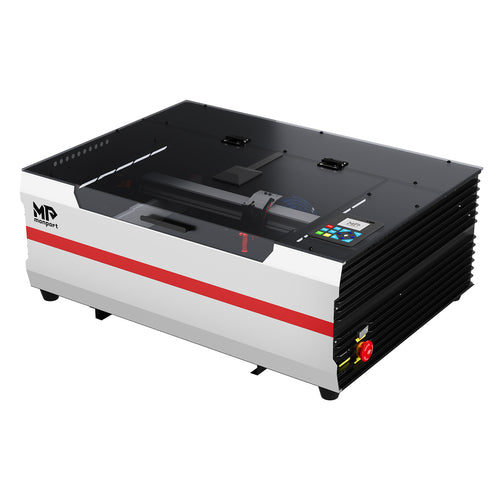
If you’re searching for a “cheap” CO2 laser for wood engraving, what you usually mean is: best value for consistent results. Wood engraving gets profitable when your workflow is repeatable—clean detail, predictable depth, and fast setup from job to job. This updated version keeps the original topic and URL intent, but shifts the recommendation to Monport’s current promoted desktop model: Monport Mega S.

Why wood engraving is the “best first business” material
Wood is forgiving, sells well, and has endless product categories: signs, ornaments, coasters, cutting boards, gift boxes, brand tags, and packaging inserts. The key is controlling burn marks and keeping contrast consistent across batches.
What makes Mega S a strong value pick for wood engraving
Value isn’t just the sticker price—it’s how quickly you can go from setup to finished pieces without rework. Mega S is positioned as a 70W CO2 desktop system with a 700 × 350mm working space and a listed max speed of 600mm/s, plus workflow features like Smart Batch Fill, Auto Focus, and fast alignment tools. Always confirm the latest details on the official page: Mega S specs & features.
Mega S specs that matter for wood projects
- Laser power: 70W CO2
- Working space: 27.56" × 13.78" (700 × 350mm)
- Max working speed: 600mm/s
- Spot size: 0.03–0.08mm (supports fine detail)
- Air assist: 50kPa (helps reduce charring)
- Exhaust fan: > 500 CFM (helps keep smoke residue down)

Wood selection: the easiest materials to start with
Beginner-friendly woods
- Basswood / linden: light color, engraves evenly, great for photos and fine lines.
- Birch plywood: good contrast; watch glue layers—test for consistency.
- Maple: clean and premium-looking, great for small gift products.
Woods that need more testing
- Pine: resin can cause uneven burning and flare-ups; use stronger air assist + faster passes.
- Oily woods (varies by species): can stain/smoke more; always test on scrap.
Step-by-step: a clean wood engraving workflow
- Prep: sand lightly if needed and wipe dust off (dust = more smoke residue).
- Mask (optional): apply low-tack masking to reduce smoke staining, especially for light woods.
- Place: use camera preview/placement workflow to align designs consistently across blanks.
- Focus: keep focus consistent—Mega S highlights Auto Focus to help maintain repeatability.
- Test grid: run a small power/speed test on the same wood species before a big batch.
- Engrave: keep exhaust running; don’t leave the machine unattended.
- Finish: peel mask (if used), wipe residue, and apply oil/sealer if your product needs it.
Starter settings (use as a baseline, then test)
Treat these as starting points only—wood species, moisture, glue layers, and finish change everything:
- Engraving power: low–mid (increase slowly until you get the contrast you want)
- Engraving speed: mid–fast (increase speed if you see heavy charring)
- Line interval: tighter for photos/detail; loosen slightly if you’re overheating the surface
- Air assist: on (helps reduce charring and flame risk)
Batch production tips (how to make “cheap” turn into profitable)
- Standardize blanks: same supplier + thickness = fewer surprises.
- Use jigs: a simple corner jig saves minutes per piece.
- Batch layouts: Mega S highlights Smart Batch Fill for repeating shapes and speeding setup.
- Keep rails clean: dust and residue can reduce consistency over time.

Best wood engraving project ideas to sell
- Custom name signs (nursery, wedding, storefront)
- QR-code menus and countertop signage
- Coasters + gift sets
- Ornaments and seasonal decor
- Product tags and branded packaging inserts
If you’re ready to evaluate Mega S as your “best value” CO2 laser for wood production work, start with the official product page: Explore Monport Mega S here.