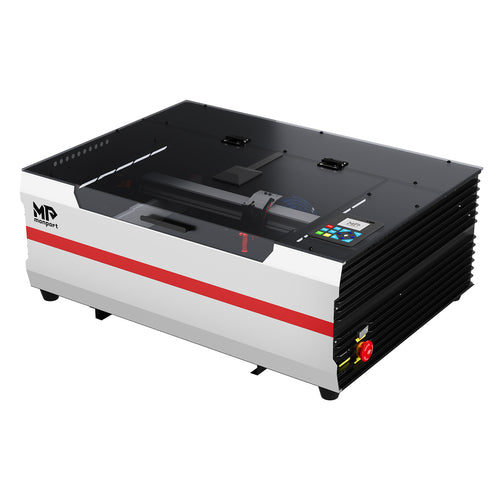
In the world of modern manufacturing and DIY projects, the ability to precisely cut materials like laser cut polycarbonate has become increasingly important. Whether you're a hobbyist, a small business owner, or an industrial manufacturer, having the right tools and techniques makes a real difference. From cutting polycarbonate panels for signage to laser cutting Lexan for protective covers, accuracy and consistency matter. In this blog post, we’ll explore how laser cutting polycarbonate works using a CO2 laser cutting machine, specifically the Monport 80W CO2 Laser Engraver & Cutter (36" x 24"), and why it’s a solid choice for both beginners and experienced users.


Unlock Big Savings at Monport Laser! Use code BESTMP10 at checkout for an exclusive discount – Click here to shop now!
Understanding Polycarbonate
Polycarbonate is a durable thermoplastic commonly used in eyeglasses, safety shields, electronics, machine guards, and automotive components. Many people refer to it as Lexan, which is a popular brand name, and that’s why terms like laser cut Lexan and laser cutting Lexan are often used interchangeably with polycarbonate. Its high impact resistance, heat tolerance, and optical clarity make it ideal for precision applications. When done correctly, polycarbonate laser cutting can produce detailed shapes that are difficult to achieve with manual tools.
Advantages of CO2 Laser Cutting Polycarbonate
Using a CO2 laser cutting machine for cutting polycarbonate offers several practical advantages, especially when compared to saws or routers.
-
Precision cutting that is ideal for tight tolerances and detailed designs
-
Clean edges that reduce the need for sanding or polishing
-
Consistent results across repeated jobs, useful for small-batch production
-
Efficient workflow that saves time and minimizes material waste
For makers who regularly laser cut polycarbonate sheets or laser cut Lexan panels, these benefits translate into smoother production and better-looking finished parts.
Preparing for Polycarbonate Cutting
Proper setup is essential before starting any polycarbonate laser cutting job. A few small adjustments can prevent common issues like melting or edge discoloration.
- Adjust laser power carefully, especially when working with thicker sheets.
- Set the cutting speed to balance heat and accuracy.
- Ensure proper ventilation, as fumes from laser cutting polycarbonate can be harmful if not properly extracted.
These preparation steps are just as important whether you are testing a new design or running a full production batch.
Step-by-Step Guide to Laser Cutting Polycarbonate

Secure the Polycarbonate
Place the sheet flat on the laser bed and clamp it securely. Movement during cutting can affect accuracy, especially when laser cutting Lexan for tight-fitting components.
Adjust Laser Focus
Correct focus ensures clean cuts and consistent depth. This is critical when you laser cut polycarbonate with varying thicknesses.
Start Cutting
Begin the job and monitor the process. If you notice excessive melting or edge roughness, pause and adjust settings. Many users ask, can you laser cut polycarbonate cleanly? The answer is yes, but only with the right settings and supervision.
Handle Carefully After Cutting
Freshly cut pieces may be warm and have sharp edges. Allow them to cool before handling or assembly.
FAQs

1. Can you laser cut polycarbonate with a CO2 laser?
Yes, you can. Many people ask can you laser cut polycarbonate, and with proper power, speed, and ventilation, CO2 lasers are effective for this material.
2. Is laser cutting Lexan different from cutting polycarbonate?
Not really. Lexan is a brand of polycarbonate, so laser cutting Lexan follows the same process as standard polycarbonate laser cutting.
3. What thickness works best for laser cut polycarbonate?
Thinner sheets are easier to manage, but thicker sheets can also be processed by adjusting laser power and speed carefully.
4. How do I reduce melting during cutting polycarbonate?
Use lower power, higher speed, proper focus, and strong air assist. These help control heat buildup during laser cut polycarbonate jobs.
5. Is ventilation really necessary?
Yes. Fumes released during laser cutting polycarbonate can be harmful, so proper ventilation and filtration are essential for safety.
Important Details
- Polycarbonate is a thermoplastic material, so correct laser settings are critical to avoid melting or burning.
- Good ventilation is required because fumes from polycarbonate laser cutting should not be inhaled.
- Always wear appropriate PPE, including safety glasses and gloves, when cutting polycarbonate on a CO2 laser machine.
Key Takeaways
- CO2 laser cutting provides precision, speed, and repeatability.
- Proper setup and calibration are essential for clean results.
- Safety measures like ventilation and PPE should never be skipped.
- Polycarbonate and Lexan are versatile materials suitable for both DIY and industrial projects.
- Conclusion
Laser cutting polycarbonate with a CO2 laser offers a reliable way to produce clean, accurate parts for a wide range of applications. Whether you are laser cutting Lexan for protective covers or experimenting with laser cut polycarbonate designs for custom projects, the right machine and setup make all the difference. By following correct preparation steps, monitoring the process, and prioritizing safety, you can achieve professional-quality results while expanding your creative and production capabilities.
Unlock Big Savings at Monport Laser! Use code BESTMP10 at checkout for an exclusive discount – Click here to shop now!