If you’ve ever tried marking metal using traditional tools, you already know how time-consuming it can be. Results may look uneven, tools wear out, and repeating the same design perfectly is not always easy. That’s one reason metal laser engraving has become a preferred solution for workshops, small businesses, and manufacturers. Alongside it, laser etching stainless steel is widely used when markings need to stay clear and readable even after years of use.
Instead of relying on pressure or cutting tools, laser engraving uses controlled light to create permanent marks. For many buyers, the biggest advantage isn’t just technology — it’s the ability to work faster while producing consistent, professional results.

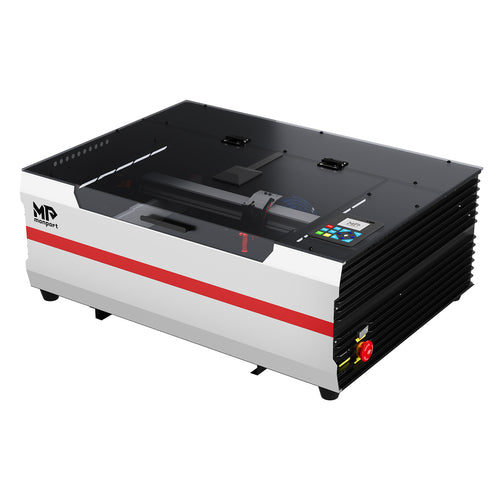
Monport GQ 30W (5.9" x 5.9") Fiber Laser Engraver & Marking Machine with FDA Approval - Machine

What Metal Laser Engraving Really Means
At its simplest, metal laser engraving uses a focused laser beam to change the surface of a material. The laser heats a tiny area with high precision, creating text, logos, or patterns without physically touching the metal.
This approach solves many common problems found in older engraving methods:
-
No blades or bits that wear down
-
Cleaner lines with fewer mistakes
-
Reliable results across repeated jobs
-
Less maintenance over time
Because the process is digitally controlled, designs can be repeated exactly the same way every time. For businesses handling customer orders or product labeling, this consistency is extremely valuable.

How Laser Etching Stainless Steel Works
Stainless steel is popular because it resists rust and handles daily wear well. However, marking it clearly without damaging the surface can be difficult with mechanical engraving. That’s where laser etching stainless steel becomes useful.
Rather than cutting deeply, the laser gently changes the outer layer of the metal. This creates a visible contrast while keeping the structure strong and intact.
You’ll commonly see laser etching stainless steel used for:
-
Serial numbers and equipment labels
-
Branding plates and company logos
-
Personalized kitchenware or gifts
-
Medical or industrial tools
The finished mark looks clean and professional, and it doesn’t fade easily over time.

Features That Actually Help in Daily Use
When buyers look for an engraving machine, they usually want something dependable and easy to operate. Technical specifications matter, but practical usability matters more.
Here are features that make everyday engraving smoother:
| Feature | Practical Benefit |
|---|---|
| Fiber laser source | Stable performance with low maintenance |
| Long lifespan (up to 100,000 hours) | Reliable long-term use |
| Red dot guidance | Easier alignment before engraving |
| Manual focus adjustment | Quick setup for different materials |
| Galvo scanning system | Smooth and accurate motion |
| Accuracy up to 0.01 mm | Fine details and sharp text |
| Speed up to 10,000 mm/s | Faster project completion |
These features help make metal laser engraving less intimidating for beginners while still meeting professional standards.

Materials You Can Engrave Besides Stainless Steel
Many people assume laser engravers only work on metal, but modern fiber machines are surprisingly versatile. While laser etching stainless steel is one of the most common uses, users can also work with other materials.
Examples include:
-
Aluminum, brass, and copper
-
Slate and coated metals
-
Hard plastics
-
Artificial leather
-
Colored acrylic
This flexibility allows businesses using metal laser engraving to expand into personalized products, promotional items, or decorative work without needing additional equipment.

Speed and Precision in Real Workflows
In everyday work, efficiency matters just as much as accuracy. Fiber laser machines are designed to balance both. High engraving speeds allow projects to finish quickly while maintaining detailed results.
Users often notice improvements such as:
-
Cleaner engraving edges
-
Less time spent fixing mistakes
-
Reduced need for finishing work
-
Consistent results across large batches
For workshops handling regular laser etching stainless steel projects, this reliability helps maintain steady production without sacrificing quality.

Working on Curved or Unique Objects
Not all engraving jobs involve flat surfaces. Items like tumblers, rings, and cylindrical tools require flexibility. With a rotary axis attachment, metal laser engraving can be applied evenly to curved objects while keeping designs aligned.
The adjustable focus wheel also makes setup easier, especially for users who are still learning. Small usability improvements like this can save a surprising amount of time during daily operations.
Why Many Businesses Are Switching to Fiber Lasers
Many users move to fiber laser systems after struggling with slower engraving methods. The difference usually becomes clear once production increases.
Common reasons for upgrading include:
-
Lower maintenance compared to mechanical engravers
-
Faster turnaround times
-
More professional-looking results
-
Reliable long-term performance
For businesses focused on laser etching stainless steel, improved efficiency often leads to better customer satisfaction and repeat orders.
Things to Consider Before Buying
Before investing in a machine, it helps to think about your real needs rather than just specifications.
Ask yourself:
-
How often will I use the engraver?
-
Do I need high-detail markings?
-
Will I engrave different materials?
-
Do I plan to expand my services later?
Choosing equipment designed for metal laser engraving ensures your investment continues to support your workflow as your business grows.

Frequently Asked Questions
Is metal laser engraving permanent?
Yes. Metal laser engraving produces markings that resist wear, heat, and corrosion.
Does laser etching weaken stainless steel?
No. Proper laser etching stainless steel settings only affect the surface layer.
Is it beginner-friendly?
Yes. Features like red-dot positioning and manual focus controls help simplify the learning process.
How long does a fiber laser last?
Most fiber laser sources can operate up to 100,000 hours under normal use.
Key Takeaways
-
Metal laser engraving provides precise and repeatable results.
-
Fiber laser systems require minimal maintenance.
-
Stainless steel etching creates durable, professional markings.
-
High speed improves productivity without reducing quality.
-
Versatile material compatibility allows business growth.

Conclusion: Technology That Makes Work Easier
Good equipment should help you work smarter, not harder. Metal laser engraving offers a reliable way to create permanent, high-quality markings while reducing manual effort. Whether you’re personalizing products or marking industrial parts, fiber laser technology provides consistency that traditional methods often struggle to achieve.
Take the Next Step in Your Engraving Workflow
If you’re ready to produce cleaner markings and improve efficiency, a fiber laser engraver can make a noticeable difference in your daily work. With high precision, fast operation, and long service life, it’s an investment that supports both creativity and productivity.