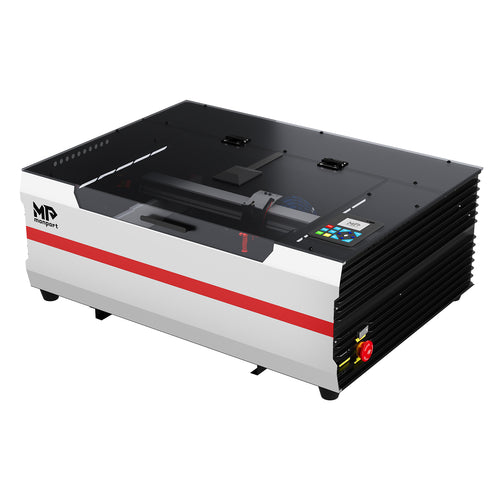
Aluminum Engraving offers a practical way to personalize metal products, create permanent identification marks, and produce detailed designs for commercial or industrial use. From custom keychains and business gifts to equipment labels and automotive parts, the right engraving method depends on the aluminum finish, desired appearance, production volume, and level of detail.
Among the available options, mechanical engraving, chemical etching, and laser marking each serve different purposes. For businesses seeking precise, repeatable results, a mopa fiber laser is particularly worth considering because its adjustable pulse width provides greater control over how the laser interacts with metal surfaces.
What Are the Main Methods of Aluminum Engraving?

The best Aluminum Engraving method depends on whether you need a shallow surface mark, a deeper groove, or a distinctive color effect. Understanding the differences helps you choose the right process before investing in equipment.
1. Mechanical Engraving
Mechanical engraving uses a rotating cutting tool to remove material from an aluminum surface. It can produce physical grooves that are useful for nameplates, industrial labels, and decorative panels.
Its main advantage is the ability to create tactile markings. However, tool wear, material movement, and setup time can affect consistency, especially when producing large batches of small, detailed designs.
2. Chemical Etching
Chemical etching uses a chemical process to remove selected areas of a metal surface. A protective mask determines where the material is exposed, allowing manufacturers to create detailed patterns and identification marks.
This method can work well for certain thin metal components and large production runs. However, chemical handling, waste management, and preparation requirements make it less convenient for businesses seeking a flexible, digitally controlled workflow.
3. Rotary Engraving
Rotary engraving uses a cutting tool to create grooves in the metal. It is useful when a project requires physical depth rather than a surface-level mark.
For example, a manufacturer might use rotary engraving for control panels or metal signs that need recessed lettering. The trade-off is that cutting tools require maintenance and may produce burrs that need additional finishing.
4. Fiber Laser Engraving
Fiber laser engraving directs a concentrated laser beam onto the aluminum surface to create a mark through controlled material interaction. Depending on the alloy, coating, and settings, the result may be a contrasting surface mark, a textured area, or a deeper engraving.
A mopa fiber laser adds control over pulse duration, making it useful for projects that require different surface effects. It can also support color marking on certain metals under suitable conditions, although results on aluminum depend heavily on the alloy, surface treatment, and processing parameters.
What Are the Benefits of Laser Aluminum Engraving?
Laser technology is popular because it supports detailed designs without relying on a physical cutting tool. Once the artwork and settings are prepared, the same design can be reproduced across multiple parts.
Key advantages include:
-
Fine detail: Suitable for small text, logos, serial numbers, and intricate graphics.
-
Repeatability: Digital files help maintain consistent placement and design across production batches.
-
Reduced tool wear: The marking process does not rely on a rotating engraving bit.
-
Flexible designs: Text, barcodes, symbols, and custom artwork can be prepared digitally.
-
Different surface effects: Suitable systems and settings can produce contrasting marks, textured finishes, and selected color effects.
However, laser engraving is not automatically the best choice for every project. Deep material removal may require multiple passes, and reflective aluminum can demand careful parameter selection.
How Does a MOPA Fiber Laser Improve Aluminum Engraving?

A mopa fiber laser uses a master oscillator and power amplifier design that allows pulse duration to be adjusted independently within the machine's supported operating range. This additional control can help operators explore different marking effects without changing the entire production method.
For example, a workshop making aluminum business cards may prioritize clean, readable text. A manufacturer marking anodized aluminum panels may instead focus on preserving the coating while creating a strong contrast.
A mopa fiber laser can be useful for both types of projects, but the correct settings must be tested on the actual material. Not every aluminum alloy or anodized finish responds in the same way, and color marking should never be assumed to work identically across different surfaces.
Tips for Better Results
-
Identify the aluminum finish. Raw, polished, painted, and anodized aluminum can respond differently.
-
Start with a test grid. Compare several power, speed, frequency, and pulse-width combinations within the machine's recommended limits.
-
Check the focus. Incorrect focus can affect line quality and marking consistency.
-
Inspect the finished surface. Look for legible text, uniform contrast, unwanted discoloration, and excessive material removal.
-
Record successful settings. Save the parameters for each material and finish to make repeat orders easier.
Always follow the machine manufacturer's safety instructions and use appropriate laser guarding, extraction, and protective equipment.
Which Aluminum Engraving Machine Should You Choose?
Laser power is an important selection factor, but it is not the only one. Work area, pulse control, marking depth, software compatibility, and production requirements all influence which machine is suitable.
The following comparison uses the specifications provided for Monport's GT series. These figures describe the listed machine configurations; actual results depend on the material and settings.
|
Specification |
|
|
|
|
|
|---|---|---|---|---|---|
|
Laser power |
30W |
50W |
60W |
100W |
200W |
|
Wavelength |
1064 nm |
1064 nm |
1064 nm |
1064 nm |
1064 nm |
|
Max. engraving speed |
10,000 mm/s |
10,000 mm/s |
10,000 mm/s |
10,000 mm/s |
22,000 mm/s |
|
Engraving accuracy |
0.01 mm |
0.01 mm |
0.01 mm |
0.01 mm |
0.01 mm |
|
Max. marking depth |
0.08 mm |
0.10 mm |
0.10 mm |
0.15 mm |
0.20 mm |
|
Pulse width |
80–120 ns, unadjustable |
100–140 ns, unadjustable |
2–500 ns |
2–500 ns |
2–500 ns |
|
Engraving area |
150 × 150 mm |
200 × 200 mm |
175 × 175 mm |
175 × 175 mm for quartz |
175 × 175 mm for quartz |
|
Color marking |
No |
No |
Yes |
Yes |
Yes |
|
Autofocus |
Yes |
Yes |
Yes |
Yes |
Yes |


Which Power Level Fits Your Work?
-
30W: A practical starting point for small metal tags, basic identification marks, and detailed personalization.
-
50W: Offers a larger 200 × 200 mm working area and a higher listed maximum marking depth than the 30W model.
-
60W MOPA: Suits workshops exploring adjustable pulse settings, decorative metal marking, and color-marking applications.
-
100W MOPA: Offers greater power and a listed maximum marking depth of 0.15 mm for demanding marking projects.
-
200W MOPA: Provides the highest listed power and speed in this comparison, making it worth evaluating for higher-throughput production and deeper marking requirements.
These are starting points rather than universal recommendations. Higher wattage does not guarantee a better finish, and the most suitable mopa fiber laser depends on the desired result and material.
Monport's GT range includes autofocus, USB connectivity, Windows/macOS compatibility, and support for BslAppSimple and LightBurn. The 30W and 50W models use fixed pulse widths, while the 60W, 100W, and 200W MOPA models offer adjustable pulse widths.
What Projects Can You Create With Aluminum Engraving?

The range of possible applications extends well beyond industrial identification.
-
Personalized gifts: Engrave names, dates, and short messages on aluminum keychains, wallet cards, and keepsakes.
-
Business branding: Add logos to promotional items, desk accessories, and custom metal cards.
-
Industrial identification: Mark serial numbers, model information, and tracking codes on suitable components.
-
Automotive accessories: Personalize selected aluminum trim pieces, badges, and decorative panels.
-
Electronics and equipment: Create labels and identification marks on compatible enclosures and panels.
-
Decorative products: Experiment with patterns, geometric artwork, and contrasting finishes on aluminum plates.
For small businesses, the best starting point is usually a simple, repeatable project. Test a few designs on sample materials, calculate production time, and confirm that the final finish meets customer expectations before accepting large orders.
Key Takeaways
-
Aluminum Engraving can be performed mechanically, chemically, or with a laser, depending on the required finish and depth.
-
A mopa fiber laser offers adjustable pulse duration that can help operators explore different metal-marking effects.
-
Laser power, pulse width, alloy, surface finish, and focus all affect the final result.
-
The Monport GT 30W and 50W models use fixed pulse widths, while the 60W, 100W, and 200W MOPA models offer adjustable pulse widths.
-
Testing on the actual aluminum material is essential before production.
Ready to develop your next metal-marking project? Start by identifying your aluminum finish, desired engraving depth, and production volume. Then compare the machine specifications and test samples before committing to a workflow.
Frequently Asked Questions
1. What is the best method for aluminum engraving?
Fiber laser engraving is a strong option for detailed, repeatable metal marking. Mechanical engraving may be more appropriate when deep physical grooves are required, while chemical etching can suit certain batch-production applications.
2. Can a fiber laser engrave aluminum?
Yes. Fiber lasers can mark many aluminum surfaces, including suitable raw and anodized finishes. The final appearance depends on the alloy, coating, laser settings, and intended marking depth.
3. What is the difference between a MOPA laser and a standard fiber laser?
A MOPA laser allows pulse duration to be adjusted within its supported range. This additional control can help create different surface effects, including selected color-marking results on compatible metals.
4. What laser power is best for aluminum engraving?
The appropriate power depends on the project. A 30W or 50W machine may suit smaller marking jobs, while 60W, 100W, or 200W MOPA machines may be worth considering for more demanding applications. Test results matter more than wattage alone.
5. Can a MOPA fiber laser create color on aluminum?
A MOPA fiber laser can create color effects on certain metals under suitable conditions. However, color marking on aluminum is highly dependent on the alloy and surface treatment, so consistent results are not guaranteed.
Ready to take your metal-marking projects further? Explore Monport’s fiber laser solutions and find the right machine for your needs, from precise Aluminum Engraving to advanced color-marking applications. With a mopa fiber laser, you can experiment with detailed designs, distinctive metal finishes, and repeatable results. Choose the right power, test your settings, and turn your next aluminum engraving idea into a finished product.