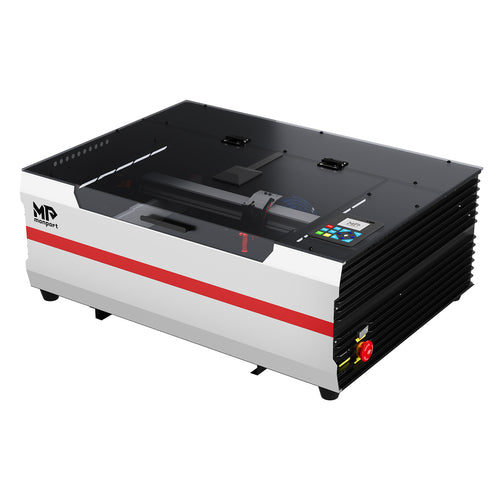
Acrylic awards look premium when the engraving is crisp, evenly frosted, and perfectly positioned. If you’re making event trophies, corporate recognition plaques, or custom shop awards, the key is a repeatable workflow: accurate placement, consistent focus, and stable speed/power settings. In Monport’s current desktop lineup, Monport Mega S is positioned as the upgraded option for intelligent precision and batch-friendly production.

Why acrylic engraved awards are easier with a repeatable “camera + batch” workflow
Acrylic is unforgiving: tiny placement errors show immediately, and inconsistent focus can turn frosted text into uneven haze. Mega S highlights workflow features designed to reduce trial-and-error, including camera-based placement and batch-style engraving tools. If you want to confirm the full spec list and feature set before you buy, start here: Mega S product page.
Mega S specs that matter for acrylic awards
- Laser power: 70W CO2
- Working space: 27.56" × 13.78" (700 × 350mm)
- Max working speed: 600mm/s
- Detail support: recommended 300DPI, supports up to 1000DPI
- Exhaust: > 500 CFM (helps keep acrylic engraving cleaner)

Step-by-step: engraving acrylic awards (clean, centered, and consistent)
1) Pick the right acrylic + prep the surface
- Cast acrylic typically engraves with a cleaner frosted finish than extruded acrylic.
- Remove protective film only when you’re ready to engrave (it can help reduce surface scuffs).
- Wipe dust and oils—fingerprints can change how the frosting looks.
2) Set placement first (before you worry about power)
Awards often have tight margins (logos, names, dates). A camera preview workflow helps you confirm alignment before the laser fires—especially helpful when you’re doing multiple awards in one run.
3) Lock focus for consistent “frost” depth
Acrylic engraving looks best when focus is consistent across the surface. Mega S highlights Auto Focus to help maintain repeatable focus height—useful when award thickness varies slightly across batches. Learn more about Mega S focusing features.

4) Use starter settings, then dial in with a quick test grid
Acrylic varies by brand, thickness, and color. Start with a small test grid on a scrap piece (or a hidden edge) to find the cleanest frosting without melting. Here are practical starting ranges:
| Acrylic Type | Power (start) | Speed (start) | Passes | Notes |
|---|---|---|---|---|
| Clear / Cast | Low–Mid | Mid–Fast | 1 | Aim for even frosting; increase power gradually. |
| Colored | Low–Mid | Mid | 1 | Watch for haze; avoid overheating edges. |
| Black | Mid | Mid | 1 | Test for contrast; reduce power if glossing occurs. |
| Thick (5mm+) | Mid | Mid–Slow | 1–2 | Use tests to prevent melting/pooling. |
Pro tips for “award-grade” acrylic results
- Keep air assist on: helps reduce debris and improves consistency.
- Prioritize exhaust: smoke residue is what makes frosting look uneven.
- Mask if needed: low-tack masking can reduce cleanup on some acrylic types.
- Batch smart: when you have multiple awards, arrange layouts to minimize repositioning between jobs.
Who this workflow is best for
If you’re a trophy maker, print/engraving shop, event organizer, or small business producing recognition awards, the biggest “upgrade” is time saved per piece. Mega S is marketed around intelligent precision and automation for repeatable output— exactly what you want when you’re engraving dozens of awards that all need to look identical.
Watch Video
Want to see if Mega S fits your award workflow? Explore Monport Mega S here.