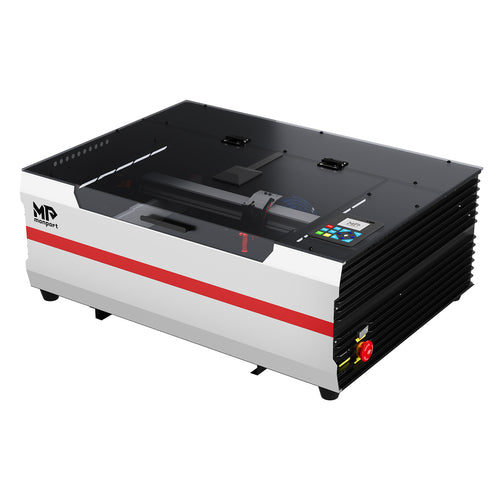
“Perfect” stone engravings come down to repeatability: stable placement, consistent focus, and a dialed-in settings strategy for your specific stone blank. This refreshed version keeps the original topic and URL intent, but updates the machine positioning to Monport’s current promoted desktop CO2 model: Monport Mega S.

First: what “stone engraving” means with a CO2 laser
For many stone products, a CO2 laser is creating a high-contrast surface mark rather than carving deep. The exact result depends on stone type, surface finish, and how you manage dust/residue. That’s why the workflow below focuses on preparation and testing—not just power.
Why Mega S is built for repeatable stone engraving
When you’re engraving slate coasters, memorial stones, tiles, or plaques, the biggest upgrade is a setup that produces the same result again and again. Mega S is listed as a 70W CO2 desktop laser with a 700 × 350mm working space and up to 600mm/s max working speed, and it highlights workflow tools like camera preview, Auto Focus, and Smart Batch Fill. For the latest official specs and included features, verify here: Monport Mega S product page.

Step 1: Choose the right stone blank
Best stones for strong contrast
- Slate: often produces crisp detail and reliable contrast (great for coasters and plaques).
- Coated tiles/stones: engraving may remove coating cleanly for high contrast (test coating thickness first).
Premium stones that need more testing
- Granite: contrast varies by color and polish—test a small grid first.
- Marble: elegant, but results vary; polish can reduce contrast.
Step 2: Clean, stabilize, and jig the stone
The easiest way to get “perfect” results is a simple jig:
- Clean: wipe off dust/oils so marks stay consistent.
- Stabilize: use corner stops so the stone can’t shift.
- Standardize: same blank size/finish = fewer surprises across batches.
Step 3: Design for stone (contrast-friendly art)
- Use thicker text and bold shapes for rough surfaces.
- Avoid ultra-thin lines until you’ve dialed in settings.
- For photos: convert to an engraving-friendly dither pattern and test on slate first.
Step 4: Placement accuracy (camera preview reduces scrap)
Stone blanks aren’t cheap. Before you engrave, confirm placement. Mega S highlights a camera preview workflow that helps you align designs quickly and consistently—especially valuable for premium blanks and batch runs.
Step 5: Focus consistency (where quality really comes from)
Stone thickness can vary. Mega S highlights Auto Focus to measure material thickness/height and adjust focus height for more consistent results. See Mega S workflow features.

Step 6: Dial in settings with a test grid (don’t skip this)
Stone varies too much for “one perfect setting.” Run a small test grid on the same blank type you’re selling. Use these safe principles:
- Power: start low–mid and increase gradually for contrast.
- Speed: moderate to fast; slow slightly only if marks are too light.
- Passes: try 2 light passes instead of 1 aggressive pass if you’re chasing contrast.
- Line interval: tighten for detailed graphics; loosen slightly if overheating reduces clarity.
- Air assist + exhaust: keep enabled to manage residue and improve consistency.
Step 7: Cleanup and finishing (make it “store-ready”)
- Brush or wipe residue off to reveal final contrast.
- Standardize your cleanup step so every item matches your product photos.
- If you use paint fill on engraved tiles/slate, test adhesion and drying time before selling batches.
Troubleshooting: why stone engravings look “imperfect”
- Weak contrast: adjust power/speed slightly and re-test; consider different stone finish.
- Patchy fill: improve focus consistency; ensure the stone is flat and stable.
- Blurry detail: reduce residue (better exhaust), tighten focus, and use bolder art.
- Inconsistent results across pieces: standardize blanks and use a jig + test grid per batch.
Ready to build a repeatable stone engraving workflow with camera placement, Auto Focus, and batch-friendly setup? Explore Monport Mega S here.