What Is 3D Laser Engraving?
3D laser engraving creates the appearance of depth, texture, and raised or recessed details by changing how a laser interacts with different areas of a material. Instead of giving every part of an image the same engraving depth, the design can use different shades or power levels to create light and dark areas.
For makers, this can turn a simple logo, photo, pattern, or artwork into a more detailed finished piece. A suitable 3D laser engraving machine can also help produce personalized signs, decorative panels, gifts, plaques, and other products.

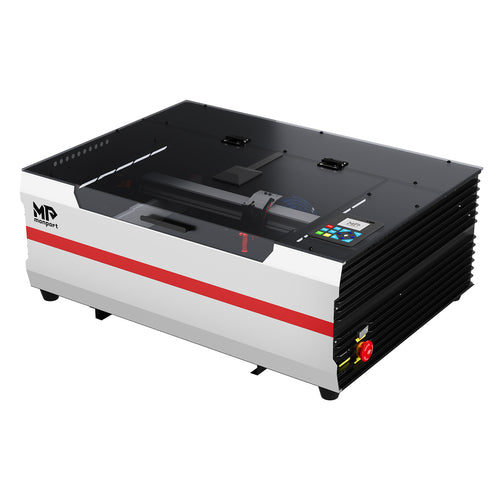
Monport 60W CO2 Laser Engraver & Cutter (24" x 16") with Autofocus

How Does 3D Laser Engraving Work?
The basic process starts with digital artwork. The design is prepared in compatible software and then sent to the laser. The machine follows the image line by line, controlling movement, speed, and laser power according to the settings.
For a depth effect, darker areas may receive more laser energy while lighter areas receive less. Multiple passes can also be used when a deeper result is needed. The exact settings depend on the material, thickness, design, and desired finish.
This means 3D laser engraving is not simply about using more laser power. Good results come from balancing power, speed, focus, image preparation, and material.

What Materials Can You Engrave?
A major advantage of a CO₂ laser is its material flexibility. The Monport 60W CO₂ model is designed for engraving materials such as wood, acrylic, leather, paper, textiles, glass, plastics, ceramic tiles, and coated or painted metal.
| Material | Common Project Ideas |
|---|---|
| Wood | Signs, plaques, décor |
| Acrylic | Displays, lettering, awards |
| Leather | Wallets, patches, accessories |
| Glass | Tumblers, bottles, gifts |
| Slate/Rock | Coasters and signs |
| Paper | Invitations and packaging |
Before starting production, always test your material and settings. Different finishes, coatings, and material types can react differently to laser energy.
Choosing a 3D Laser Engraving Machine
When shopping for a 3D laser engraving machine, buyers should look beyond laser wattage. The working area, focusing system, speed, software compatibility, and cutting capability can have a major effect on everyday use.
The Monport 60W CO₂ Laser Engraver & Cutter provides a 24" × 16" (400 × 600 mm) working area and a maximum engraving speed of 800 mm/s. It also features autofocus and supports LightBurn, RDWorks, CorelDRAW, and AutoCAD.
Important Features for Buyers
- 60W CO₂ laser: Suitable for engraving and cutting a wide range of materials.
- 24" × 16" work area: Provides room for larger signs, panels, and batches.
- Up to 800 mm/s: Helps reduce waiting time during engraving.
- Autofocus: Makes focusing faster and easier.
- Rotary-ready design: Allows cylindrical products such as cups, bottles, and flasks to be engraved with a compatible rotary axis.
- Software support: Works with popular design and laser software.
- Enclosed rail: Helps protect the motion system from dust and debris.

How to Create a 3D Engraving
A practical 3D laser engraving workflow can be simple once the machine and material are properly prepared.
Step 1: Prepare the design.
Create or import your artwork. Grayscale images are useful when you want different tones or depth effects.
Step 2: Select the material.
Choose a suitable material and make sure it is clean, flat, and properly positioned.
Step 3: Set the focus.
Use the machine's autofocus feature when available. Proper focus is important for producing sharp details.
Step 4: Test your settings.
Run a small test area before engraving the final product. Adjust speed and power according to the material.
Step 5: Start the engraving.
Send the prepared design through compatible software and monitor the process.
Step 6: Check and finish.
Clean the surface and inspect the details. Some projects may need sanding, polishing, masking removal, or other finishing work.

Why Machine Size and Speed Matter
For small hobby projects, a compact laser may be enough. However, buyers producing signs, personalized gifts, décor, or business orders may benefit from a larger working area.
The Monport 60W model combines a 24" × 16" workspace with speeds of up to 800 mm/s. Monport also states that the machine can cut up to 20 mm acrylic and 18 mm plywood under suitable conditions. Actual results depend on material and settings.
A 3D laser engraving machine with a larger work area can also make batch production more practical because multiple smaller pieces can potentially be arranged in one job.
3D Laser Engraving for Small Businesses
For small businesses, 3D laser engraving can open opportunities for personalized products. Popular options include:
- Custom wooden signs
- Engraved glassware
- Personalized leather goods
- Business plaques
- Awards and recognition pieces
- Decorative acrylic products
- Wedding and event products
- Custom gifts
A machine that can both engrave and cut gives buyers more flexibility than an engraving-only setup.

What Should You Look for Before Buying?
Before choosing a 3D laser engraving machine, consider these questions:
- What materials will you use most often?
- How large are your typical projects?
- Do you need cutting as well as engraving?
- Is autofocus important for your workflow?
- Does the machine support your preferred software?
- Will you need rotary engraving for cylindrical products?
- Are you planning hobby projects or regular business production?
These questions can help you choose a machine based on your actual workflow rather than simply choosing the highest wattage.
Key Takeaways
- 3D laser engraving can create depth and texture effects through controlled laser exposure.
- Material testing is important because different materials require different settings.
- A larger work area can be useful for signs, panels, and batch production.
- Autofocus can make setup easier.
- A CO₂ laser can work with many common materials, including wood, acrylic, leather, and glass.
- Software compatibility should be considered before buying.
- Rotary compatibility can expand the types of products you can personalize.
Frequently Asked Questions
Can a CO₂ laser create 3D effects?
Yes. A CO₂ laser can create depth and tonal effects by varying laser exposure, power, speed, or passes. The result depends heavily on the material and settings.
Is a 60W laser good for beginners?
A 60W machine can be a practical choice for users who want more capability than a small entry-level engraver, particularly when both engraving and cutting are important.
Can I engrave curved objects?
Yes. With a compatible rotary axis, the Monport 60W can be used for cylindrical products such as cups, bottles, flasks, and tubes.
Which software can I use?
The machine supports LightBurn, RDWorks, CorelDRAW, and AutoCAD, giving buyers several software options.
Is a 3D laser engraving machine suitable for business use?
It can be, especially when the machine matches the business's materials, project sizes, production volume, and required features.

Conclusion
A 3D laser engraving machine can be a useful investment for makers, designers, and small businesses that want detailed engraving together with cutting capabilities. The right setup is less about maximum power and more about having the working area, speed, focusing system, software support, and material compatibility your projects require.
The Monport 60W CO₂ Laser Engraver & Cutter combines a 24" × 16" workspace, 60W laser power, autofocus, up to 800 mm/s engraving speed, and support for multiple materials and software platforms.
Ready to expand what you can create? Explore the Monport 60W CO₂ Laser Engraver & Cutter with Autofocus and choose a machine built for detailed engraving, cutting, personalization, and growing production needs.