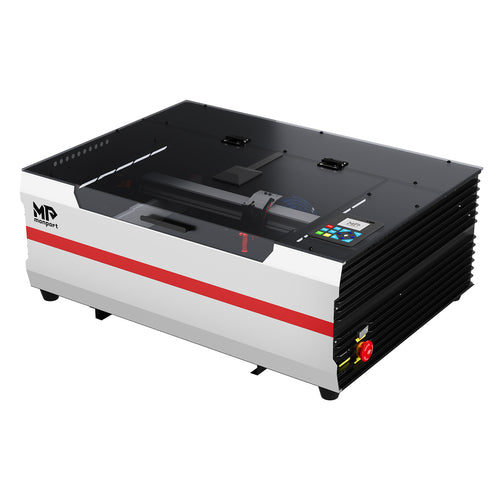
Wood is one of the most rewarding materials to engrave: it’s versatile, easy to source, and can turn into real products fast—signs, ornaments, coasters, gift boxes, tags, and packaging inserts. This refreshed version keeps the original intent of the article (using a Mega-class CO2 laser for wood projects), but updates the recommendation to Monport’s current promoted desktop CO2 model: Monport Mega S.

Why wood engraving rewards a repeatable CO2 workflow
The difference between “good” and “sellable” wood engraving is consistency: clean edges, readable text, predictable depth, and minimal smoke staining. That’s why power matters—but workflow matters more: placement, focus, air assist, and exhaust. Mega S is positioned as a production-leaning desktop CO2 system with Smart Batch Fill, Auto Focus, and camera preview for more repeatable setups. For the latest specs and included features, verify on the official page: Mega S product page.
Mega S specs that matter for wood projects
- Laser power: 70W CO2
- Working space: 27.56" × 13.78" (700 × 350mm)
- Max working speed: 600mm/s
- Spot size: 0.03–0.08mm (supports fine detail)
- Air assist: 50kPa
- Exhaust fan: > 500 CFM

Best woods to start with (and what to watch out for)
Beginner-friendly choices
- Basswood / linden: consistent grain, great for fine detail and photo engraving.
- Birch plywood: solid contrast; test glue layers because different sheets engrave differently.
- Maple: clean, premium look—excellent for gift products and signage.
Woods that need extra testing
- Pine: resin can cause uneven burn and darker smoke staining—use strong exhaust and air assist.
- Oily/dense woods: may engrave lighter than expected; run a test grid before a batch.
Step-by-step: a cleaner, more consistent wood engraving workflow
- Prep the surface: wipe dust off (dust = more smoke residue). Light sanding can improve uniformity on some woods.
- Mask for cleaner edges (optional): low-tack masking can reduce smoke staining, especially on light woods.
- Place accurately: use a jig for repeat blanks; use camera preview/alignment to confirm layout before engraving.
- Focus consistently: stable focus improves edge sharpness and reduces “patchy” fill. Mega S highlights Auto Focus for repeatability.
- Run a test grid: small power/speed tests save entire batches.
- Engrave safely: keep exhaust on and never leave the machine unattended.
- Finish: wipe residue, peel masking (if used), then oil/seal if your product requires it.
Starter settings for wood (use as a baseline, then test)
Treat these as starting points only—wood density, moisture, grain, glue layers, and coatings can change results:
- Power: low–mid (increase gradually for deeper marks)
- Speed: mid–fast (increase speed if you see heavy charring)
- Line interval: tighter for photos/detail; slightly looser if you see overheating haze
- Air assist + exhaust: enabled for cleaner, more consistent engraving
Batch production tips (where Mega S workflow features help)
- Use jigs: a simple corner jig saves minutes per piece.
- Standardize blanks: same supplier + thickness = fewer surprises.
- Batch layout tools: Mega S highlights Smart Batch Fill to speed up repeating shapes and reduce manual setup.
- Keep rails cleaner over time: dust management helps maintain consistency.

Wood project ideas that sell well
- Custom name signs (nursery, wedding, storefront)
- QR-code menus and countertop signage
- Coaster sets and gift bundles
- Ornaments and seasonal decor
- Branded tags and packaging inserts
If you’re ready to upgrade to a more repeatable wood workflow (camera placement, Auto Focus, batch tools), review Mega S here: Explore Monport Mega S.