Introduction: Learning how to engrave aluminum step by step
If you’re new to laser engraving, figuring out how to engrave aluminum can feel a little confusing at first. There are settings to adjust, materials to test, and results that don’t always come out perfect on the first try—and that’s okay.
The truth is, most people learn how to engrave aluminum by doing small tests and improving along the way. Once you get a feel for your fiber laser settings, things start to make sense. This guide will walk you through it in a simple and realistic way, without overcomplicating anything.

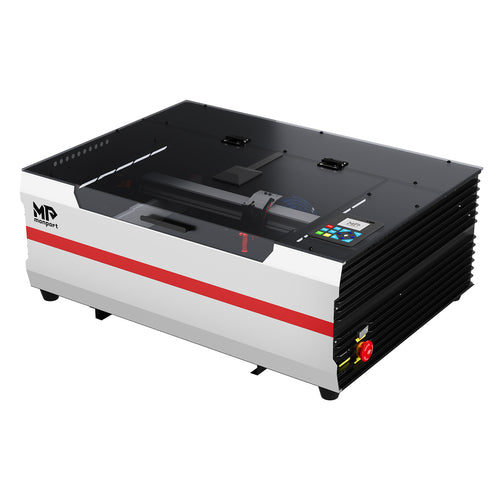
Monport GT 80W Split MOPA Fiber Laser Engraver & Color Marking Machine With AutoFocus

Why Aluminum Is a Good Starting Material
If you’re still choosing what material to practice on, aluminum is one of the easiest to begin with.
Here’s why people like working with it:
- It’s not too hard, so engraving is smoother
- Details come out clean even with basic settings
- It works well for simple text or detailed designs
- You don’t need perfect settings to get decent results
When you’re practicing how to engrave aluminum, it’s a lot easier to see what’s working and what needs adjusting.

Understanding Fiber Laser Settings in a Practical Way
Let’s keep this simple. You don’t need to memorize exact numbers right away. Think of fiber laser settings as something you adjust based on what you see.
A simple starting guide
| Setting | Range to Try | What You’ll Notice |
|---|---|---|
| Power | 30% – 60% | Stronger or lighter marks |
| Speed | 800 – 1500 mm/s | Faster = lighter engraving |
| Frequency | 30 – 50 kHz | Affects smoothness |
| Passes | 1 – 2 | Adds depth if repeated |
When learning how to engrave aluminum, it’s normal to tweak these little by little. There’s no “perfect” setting that works for everything.

A Simple Process You Can Follow Every Time
You don’t need a complicated workflow. Just stick to a routine that works.
Step 1: Wipe the Surface
It sounds basic, but it matters. Even fingerprints can affect your result.
Step 2: Adjust the Focus
Take a few seconds to get the focus right. This is one of the most common reasons for blurry or weak engravings.
Step 3: Set Your Fiber Laser Settings
Start somewhere in the middle. Don’t push the machine too hard right away.
Step 4: Do a Test First
A small test can save you from ruining your actual piece.
Step 5: Engrave Your Final Design
Once you’re happy with the test, go ahead and run the final job.
This routine helps make how to engrave aluminum feel less random and more controlled.

Using the Right Machine Makes a Difference
You don’t need the most expensive setup, but having a reliable and powerful machine can make learning much smoother.
For example, the Monport GT 80W Split MOPA Fiber Laser Engraver & Color Marking Machine With AutoFocus offers several advantages, especially for aluminum engraving.
What makes it easier to use:
- Auto-focus technology for quick and accurate setup
- High engraving speed (up to 10,000 mm/s) for faster results
- Extreme precision (0.01mm accuracy) for fine details
- MOPA laser technology that allows color marking on metals
- Deep engraving and 3D relief capability for more advanced designs
- Large 175×175mm work area for bigger projects or batch work
- Better cooling system (split design) for long engraving sessions
It also allows:
- Black marking on aluminum for high-contrast designs
- Engraving on curved surfaces with a rotary attachment
- Cutting thin metal sheets (under 3 mm)
With a machine like this, learning how to engrave aluminum becomes faster, more precise, and less frustrating—especially as you move into more detailed or professional work.

Small Habits That Improve Your Results
A lot of improvement comes from small, consistent habits.
Things that help:
- Stick to settings that worked well before
- Go slower if your results look too light
- Use more passes instead of increasing power too much
- Check your focus every time
Things to avoid:
- Skipping test runs
- Jumping straight to high power
- Ignoring small mistakes
As you keep practicing how to engrave aluminum, you’ll naturally start noticing what works best for you.

A Few Things People Usually Learn Late
These are small details, but they can save you time:
- Anodized aluminum gives darker, clearer results
- Raw aluminum looks lighter and more subtle
- Not every engraving needs to be deep to look good
- Consistency matters more than chasing perfect settings
These are the kinds of things you understand better as you spend more time on how to engrave aluminum.

FAQs
Is learning how to engrave aluminum hard?
At the start, maybe a little—but it gets easier pretty quickly with practice.
What settings should I use first?
Start in the middle range and adjust based on what you see.
Why does my engraving look too light?
It could be high speed, low power, or incorrect focus.
Can I engrave rings or curved items?
Yes, with a rotary attachment.
How do I improve faster?
Do more test runs and make small adjustments instead of big changes.

Key Takeaways
- how to engrave aluminum is something you learn by doing
- You don’t need perfect settings right away
- Testing is part of the process, not a waste
- Small changes can improve your results a lot
Final Thoughts: Take Your Time and Keep Going
There’s no shortcut to mastering how to engrave aluminum, but the process doesn’t have to be stressful either. Just take it one step at a time. Some engravings will turn out great, others won’t—and that’s part of learning.
The more you work with your machine and adjust your fiber laser settings, the more confident you’ll become.

Ready to Start Engraving?
Try a few simple designs, test your settings, and build from there. Over time, you’ll see real improvement—and you might even turn it into something more than just a hobby.