The allure of cutting clear acrylic with diode laser setups is strong, thanks to the sleek, transparent finish of clear acrylic laser cut projects and the creative possibilities they open up when using an acrylic laser system. Whether you're crafting personalized gifts or designing eye-catching signage with a laser cutter for clear acrylic, modern plexi laser cutting methods give creators precision and polish. This is why lasered acrylic pieces and laser cut clear acrylic signs remain popular across hobby and small business markets. Diode lasers are often touted as an affordable entry point for diode laser acrylic work, making them appealing for beginners experimenting with diode friendly acrylic and thin materials.
However, before you dive into cutting clear acrylic with diode laser tools, it’s important to understand how to cut clear acrylic with diode laser properly and where the limitations lie compared to professional laser cutting of acrylic systems. Many users ask whether they can cut acrylic with diode laser machines and still achieve professional results. When it comes to clear acrylic laser cut applications, a CO₂-based laser cutter for plexiglass is still widely considered the gold standard. Unlike basic diode laser acrylic setups, CO₂ systems interact better with acrylic materials, producing smoother edges in plexi laser cut projects and more consistent lasered acrylic finishes—even when compared with acrylic sheets for diode laser workflows.
One reason diode machines remain popular is the rise of compact desktop units designed specifically for diode laser acrylic sheets. These systems are lightweight, budget-friendly, and easy to integrate into small workshops. For makers learning how to engrave clear acrylic with diode laser units or experimenting with cut clear acrylic with diode laser techniques, diode systems can be a reasonable starting point, particularly when using thinner acrylic sheets for diode laser projects. Still, the common question remains: can you rely on cutting clear acrylic with diode laser tools for consistent quality, or is an upgrade inevitable?


How to Cut Clear Acrylic with Diode Laser: Pros and Cons
Pros
-
Affordability: Diode systems are far cheaper than CO₂ options, making them ideal for beginners exploring diode laser acrylic projects.
-
Compact size: Their small footprint suits limited spaces, perfect for entry-level laser cutter for clear acrylic users.
-
Ease of use: Simple controls make it easier to learn how to engrave clear acrylic with diode laser machines and basic laser cut clear acrylic patterns.
Cons
-
Limited power: Most diode units struggle with thicker materials, limiting cutting clear acrylic with diode laser to very thin sheets.
-
Slower speeds: Compared with CO₂ systems, plexi laser cutting using diodes takes significantly longer.
-
Melting and charring: Lower power often causes uneven edges in lasered acrylic, especially during cutting clear acrylic with diode laser passes.
These drawbacks explain why many users eventually move away from diode laser acrylic solutions when quality becomes critical.
How to Cut Clear Acrylic with a Diode Laser (But Why You Might Want to Reconsider)

While diode machines can handle basic tasks, understanding how to cut clear acrylic with diode laser tools properly is essential. They work best on diode friendly acrylic under 2mm thick and require careful tuning.
Materials
-
Diode laser (15W minimum recommended)
-
Clear acrylic sheet (thin, diode friendly acrylic preferred)
-
Masking tape
-
Compressed air (optional)
-
Safety glasses
Steps

-
Design preparation: Create your layout for laser cut clear acrylic in compatible software.
-
Masking: Cover the acrylic to protect the surface during laser cutting of acrylic.
-
Mounting: Secure the sheet flat on the bed before you cut clear acrylic with diode laser equipment.
-
Laser settings: Use low power and higher speed, adjusting gradually to avoid melting during diode laser acrylic cutting.
-
Cutting: Monitor closely; airflow helps reduce heat buildup in lasered acrylic edges.
-
Cleaning: Remove tape and clean residue gently.
Special Offer: Use code BESTMP10 at checkout – Click here to shop now!
Important Notes
Even when following best practices for how to engrave clear acrylic with diode laser machines, imperfections are common. Thicker sheets and complex designs usually exceed the practical limits of diode laser acrylic sheets, even when working with optimized acrylic sheets for diode laser.
Because of this, many makers eventually ask whether a more powerful acrylic laser system is worth the investment.
Why You Should Upgrade to a CO₂ Laser Cutter
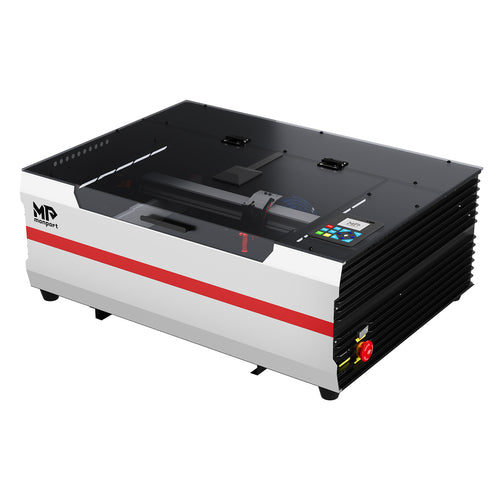
For creators who frequently work with plexi laser cut signage or commercial laser cutting of acrylic, upgrading to a CO₂ system is often the turning point. Machines like the Monport 100W CO₂ Laser function as a true laser cutter for clear acrylic, delivering clean edges without melting.
Introducing the Monport 100W CO₂ Laser Cutter
-
Unmatched power: Cuts thicker acrylic cleanly, far beyond what diode laser acrylic machines can handle.
-
Faster speeds: Ideal for production-scale laser cut clear acrylic projects.
-
Material versatility: Works on acrylic, wood, leather, and more.
-
Ease of use: Beginner-friendly controls with professional output.
With a CO₂ laser cutter for plexiglass, post-processing is reduced and plexi laser cutting becomes far more consistent.
Beyond the Features: Why Monport Laser Stands Out

If you’re only experimenting with thin sheets and basic cutting clear acrylic with diode laser tasks, a diode setup can suffice. But if your goal is flawless lasered acrylic, smooth plexi laser cut edges, and reliable performance, upgrading is the logical step. A CO₂-based acrylic laser like the Monport 100W allows you to move beyond the limits of diode laser acrylic technology and scale your work confidently—even if you started with acrylic sheets for diode laser projects.
FAQs about Cutting Clear Acrylic Sheets with Diode Lasers
Q1: Can a diode laser cut clear acrylic cleanly?
A1: Only very thin, diode friendly acrylic sheets can be cut reasonably clean; melting is common.
Q2: What thickness works best for diode laser acrylic?
A2: Under 2mm is ideal when attempting to cut clear acrylic with diode laser machines.
Q3: Is masking tape necessary?
A3: Yes, it helps protect surfaces during laser cutting of acrylic.
Q4: Which laser is best for professional acrylic work?
A4: A CO₂ laser cutter for clear acrylic like the Monport 100W offers superior results.
Q5: Why upgrade from a diode laser?
A5: CO₂ lasers provide faster speeds, cleaner edges, and handle thicker materials than diode laser acrylic systems.
Ready to Take Your Acrylic Cutting to the Next Level?
While diode machines are fine for learning how to cut clear acrylic with diode laser techniques, their limits become clear over time. For consistent, professional laser cut clear acrylic results, a CO₂ system remains the superior choice. Even if you begin with acrylic sheets for diode laser, scaling up ensures better output and efficiency.
Don’t wait. Use code BESTMP10 at checkout and start creating high-quality plexi laser cutting projects today with the Monport 100W CO₂ Laser.