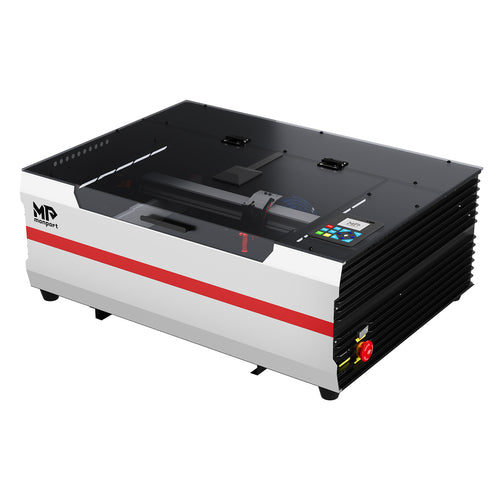
Custom shot glasses are one of the easiest “small item” products to sell—weddings, bachelor parties, brand promos, bars, and holiday gifting. But glass engraving is also one of the easiest places to waste blanks if your workflow isn’t repeatable. This refreshed version keeps the original topic and URL intent, but updates the machine positioning to Monport’s current promoted desktop CO2 model: Monport Mega S.

First: what “engraving” shot glasses means with a CO2 laser
For most shot-glass projects, a CO2 laser creates a frosted/etched mark by changing the surface, not by cutting deep into the glass. That’s why technique (heat control + prep) matters more than “more power.”
Important compatibility note for cylindrical glassware
Cylindrical engraving is often done with a rotary attachment. Before you plan a full production workflow, verify your exact setup and compatibility. (Mega S pages may include compatibility notes—always confirm on the official product page.)
Why Mega S is positioned for repeatable glass gift production
If you’re engraving dozens of shot glasses, your profit is in repeatability: fast placement, consistent focus, and fewer failed blanks. Mega S highlights workflow tools like camera preview for placement and Auto Focus, plus batch-friendly setup ideas that help reduce trial-and-error. For current specs and included features, verify here: Monport Mega S product page.

Best shot glasses for laser etching
- Thicker glass is generally easier to etch consistently than ultra-thin glass.
- Smooth, straight-sided shot glasses are easier to jig than heavily curved designs.
- Coated/colored glass may engrave differently—always test one piece before production.
Step-by-step: engraving shot glasses with a cleaner workflow
Step 1: Clean and degrease
- Wash or wipe the glass to remove oils and fingerprints.
- Dry fully before engraving (unless you use a controlled damp method during engraving).
Step 2: Stabilize the glass (jig beats “steady hands”)
The #1 cause of ruined glassware is movement. Use a rotary attachment if your setup supports it, or build a cradle jig that holds the glass stable. Mark a consistent “start” position so every glass loads the same way.
Step 3: Choose a heat-control method
Option A: Masking tape / transfer tape method
- Apply masking/transfer tape smoothly over the engraving area.
- Engrave through the tape, then peel and clean.
- This often helps reduce surface staining and creates a more even frost.
Option B: Moist paper towel method (common for reducing chipping)
- Place a thin damp paper towel layer over the engraving zone.
- Use lighter settings and test first—this method can reduce micro-cracks on some glass types.
- Ensure the towel can’t shift during the job.
Step 4: Placement + focus
Tight placement matters on small items like shot glasses. Use a consistent reference point (jig/rotary) and preview placement before engraving. Mega S highlights camera preview for placement and Auto Focus to help maintain consistent focus height. See Mega S workflow features.

Step 5: Starter settings strategy (then test grid)
Glass varies a lot by thickness and composition. Use these as starter principles, then dial in with a test grid:
- Power: low to moderate (raise slowly only if the mark is too faint)
- Speed: moderate to fast (increase speed if you see chipping)
- Passes: 1 light pass; consider 2 light passes instead of 1 heavy pass
- Line interval: tighter for a whiter frost; loosen if overheating creates haze
- Air assist: gentle airflow (avoid blasting damp materials)
Batch production tips (how to make shot glasses profitable)
- Standardize glass blanks: same supplier + same style = fewer surprises.
- Use one “master jig”: consistent starting position reduces rejects.
- Run a test glass per batch: glass manufacturing changes—don’t assume last month’s settings will match today’s lot.
- Keep a settings log: record glass type, method used (masking/moist), and your final settings.
Design ideas customers love
- Names + wedding date
- Custom bar logos or venue branding
- Inside jokes / party themes
- Minimal monograms
- QR codes (menu, playlist, or event page) — test readability at small sizes
Ready to evaluate Mega S for repeatable glass engraving workflows? Explore Monport Mega S here.