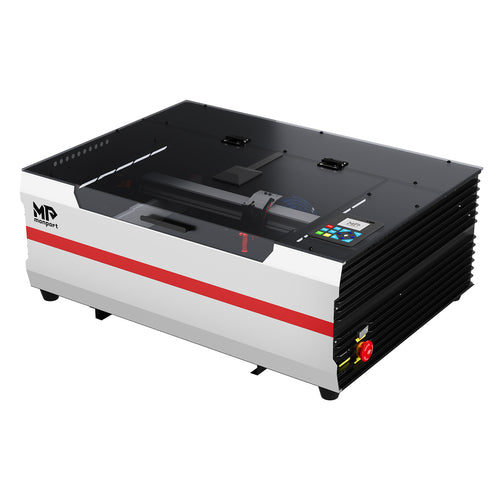
Shopping for an enclosed desktop CO2 laser often comes down to one question: which machine delivers the cleanest results with the least friction—especially when you’re doing repeat orders? The original Monport blog post compares “Monport Mega” vs xTool P2 using user anecdotes, feature claims, and a spec-style breakdown. This refreshed version keeps that same intent, but updates the Monport model story to the current promoted machine: the Monport Mega S.

What “Real User Reviews” Typically Emphasize
In Monport’s comparison post, the “real user” angle highlights day-to-day outcomes—cutting capability, perceived speed, and time saved on batch production—along with workflow features like camera preview and layout tools. Treat these anecdotes as directional signals, and always validate with official specifications and your own sample tests.
Quick Spec Snapshot (Official Sources)
Here are the headline specs most buyers use to shortlist:
| Spec | Monport Mega S | xTool P2 |
|---|---|---|
| Laser Power | 70W CO2 | 55W CO2 |
| Working / Processing Area | 700×350mm (27.56"×13.78") | 600×308mm (23.6"×12.1") |
| Max Engraving Speed | 600mm/s | 600mm/s |
| Laser Spot | 0.03–0.08mm (range listed) | 0.15×0.2mm |
| Precision / Accuracy | 0.01mm (listed) | 0.01mm (processing precision listed) |
Specs above are based on the official Mega S listing and xTool P2 official specification page. Always verify current listings before purchase.
Performance Breakdown: What Changes Your Results
1) Power headroom (70W vs 55W)
If your work includes thicker cutting jobs or you want more margin before quality drops, wattage is a meaningful differentiator. Mega S is listed as 70W CO2, while xTool P2 is listed as 55W CO2. Higher power can translate into more cutting headroom—assuming ventilation, focus, and settings are dialed in.
See current Mega S configuration here: Monport Mega S product page.
2) Fine detail: spot size matters more than most people expect
For tiny text, clean line art, and high-contrast engraving, spot size is a big deal. Mega S lists a 0.03–0.08mm spot size range (and references a minimum spot size as small as 0.03mm with a specific lens), while xTool P2 lists a 0.15×0.2mm spot. If you sell “detail-as-the-product” items (labels, micro text, intricate patterns), compare real samples on your material, not just the spec sheet.
3) Work area = fewer resets and faster batching
Mega S lists a 700×350mm working space, compared with xTool P2’s 600×308mm processing area. More room can mean fewer reposition steps and more items per run—especially for small parts (ornaments, tags, patches).
4) Speed is a tie on paper, so workflow decides throughput
Both machines list 600mm/s max engraving speed. In real production, throughput is often dominated by: alignment confidence, repeatable settings, camera preview usefulness, and how quickly you can go from loading a batch to pressing start.
5) Compatibility and “gotchas” buyers miss
One important note on the Mega S listing: it states that rotary accessories on the website are not compatible with this product. If cylindrical engraving is essential to your business, confirm your exact workflow requirements before deciding.

Verdict: Which One Should You Choose?
- Choose Mega S if you want higher listed power (70W), a larger listed working space, and you prioritize spec-level spot size claims for fine detail.
- Choose xTool P2 if you’re already invested in xTool’s ecosystem and your workload fits comfortably within its 55W power and 600×308mm processing area.
If you’re ready to evaluate the current Mega S configuration and specs: Shop Monport Mega S.
Watch Video
Note: This rewrite preserves the original blog URL and “real user reviews + performance breakdown” intent, while updating the Monport model positioning to Mega S and grounding comparison specs in official sources.