Makerspaces are creative environments where people come together to design, build, and experiment with new ideas. Equipped with tools for crafting, fabrication, and digital design, these shared spaces help beginners and experienced makers turn concepts into practical projects. One valuable tool is an acrylic laser cutting machine, which can cut and engrave compatible acrylic sheets to create personalized decorations, accessories, and functional products.
In this guide, you'll discover how makerspaces work, why acrylic laser cutting machines are useful for creative projects, and how to make a DIY necklace rack using the Monport 100W CO2 Laser Engraver & Cutter.

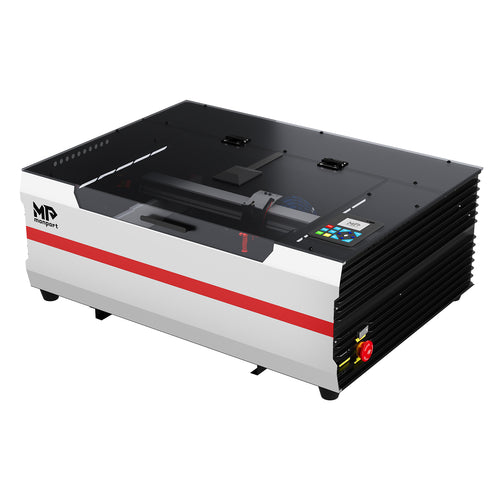
Flash Sale | Monport 100W CO2 Laser Engraver & Cutter (40" x 24") with FDA Approved

What Is a Makerspace?
A makerspace is a shared workshop where people can access tools, learn new skills, and collaborate on creative projects. Depending on the facility, equipment may include 3D printers, woodworking tools, electronics workstations, and acrylic laser cutting machines.
These spaces are useful for testing designs, learning digital fabrication, and creating customized products without necessarily purchasing every piece of equipment. Members can develop practical skills while experimenting with materials, patterns, and manufacturing techniques.
For example, an acrylic laser cutting machine can help makers produce jewelry organizers, custom signs, decorative panels, and other projects that require accurately cut shapes.
Why Choose an Acrylic Laser Cutting Machine?

An acrylic laser cutting machine uses a focused laser beam to cut or engrave suitable acrylic materials. When correctly configured for the material and thickness, it can produce detailed designs and clean edges.
Precision and Versatility
Laser cutting allows makers to create intricate outlines, decorative patterns, lettering, and precisely positioned openings. This makes an acrylic laser cutting machine useful for projects ranging from small jewelry accessories to larger decorative displays.
Efficient Production
Once a design has been prepared, the machine can reproduce the same pattern across multiple pieces. This is helpful in makerspaces where users may need matching components or want to create small product batches.
Actual cutting time depends on the material, thickness, design complexity, and machine settings.
Custom Designs and Finishes
Acrylic is available in different colours, finishes, and thicknesses. Makers can combine cut shapes, engraved details, and layered pieces to develop distinctive products for personal use, gifts, or sale.
Getting Started With the Monport 100W CO2 Laser Engraver

The Monport 100W CO2 Laser Engraver & Cutter is an option for makers who want to explore laser cutting and engraving on compatible materials. Before using the machine, review its manual and confirm that your chosen material and thickness fall within its specifications.
Step 1: Set Up the Machine
Unpack the equipment carefully and check that the required components are present. Position the machine according to the manufacturer's installation requirements, including its electrical, ventilation, and clearance needs.
Step 2: Install Compatible Design Software
Install the software specified for your machine. LightBurn may be suitable for compatible configurations, but confirm the machine's controller and software requirements before connecting or configuring the equipment.
Step 3: Connect and Configure the Machine
Follow the manufacturer's instructions to connect the laser engraver to your computer. Check the communication settings and confirm that the software recognises the machine before preparing a project.
Step 4: Prepare Your Design
Create a vector design or import a compatible file. Adjust the dimensions to match your acrylic sheet and arrange the components to make efficient use of the material.
For a necklace rack, include the outer shape, mounting points, and positions for hooks or pegs. Check the dimensions carefully before cutting.
Step 5: Position the Material
Place compatible acrylic on the workbed and set the correct focus according to the machine's instructions. Remove protective film only when recommended for the material and process.
Step 6: Test the Settings
Laser settings depend on acrylic type, thickness, and machine configuration. Test the proposed settings on a scrap piece of the same material before cutting the final design.
Step 7: Cut or Engrave the Design
Preview the toolpath and confirm that the design is correctly positioned. Run the job using the manufacturer's approved procedures and monitor the machine continuously during operation.
Safety reminder: Use the required enclosure and exhaust ventilation. Never leave a laser operating unattended. Do not cut PVC, vinyl, or other materials that can release hazardous fumes. Follow the manufacturer's material compatibility and fire-safety guidance.
Step 8: Inspect and Maintain the Equipment
Once the job is complete and the material is safe to handle, inspect the cut edges and engraved details. Clean the work area and perform maintenance according to the manufacturer's instructions.
How to Make a DIY Acrylic Necklace Rack
A DIY necklace rack is a practical makerspace project that combines digital design with simple assembly. An acrylic laser cutting machine allows you to create a jewellery organizer in a shape that matches your room or personal style.
Materials Needed
-
Laser-compatible acrylic sheet
-
Compatible laser cutting machine, such as the Monport 100W CO2 Laser Engraver & Cutter
-
Suitable design software
-
Hooks or pegs compatible with the rack design
-
Appropriate adhesive or mounting hardware
-
Measuring tools and finishing supplies, if required
Step 1: Design the Necklace Rack
Sketch your desired rack shape. A rectangle, arch, or decorative silhouette can work well. Decide how many necklaces you want to hang and leave enough space between the hooks to reduce tangling.
Create the design in your laser software, including the outer cutting line and any holes or decorative engravings.
Step 2: Prepare and Cut the Acrylic
Choose an acrylic sheet suitable for the machine and intended load. Confirm the material thickness and mounting design before cutting.
Test the settings on scrap material, then cut the rack components according to the approved operating procedure. Engrave any names, patterns, or decorative details as part of the design if appropriate.
Step 3: Assemble the Rack
Inspect the cut pieces and smooth any unsuitable edges using an appropriate finishing method. Install the hooks or pegs according to their manufacturer's instructions.
If the design uses adhesive, confirm that it is compatible with acrylic and allow it to cure fully. For wall-mounted racks, use mounting hardware suitable for the rack's weight and the wall surface.
Step 4: Organize Your Jewelry
Mount the finished rack securely and distribute the necklaces evenly. Check that the hooks hold the jewelry without bending or stressing the acrylic.
The result is a personalized necklace organizer that combines practical storage with a decorative finish.
Other Projects for Acrylic Laser Cutting Machines
Once you've completed a necklace rack, you can explore additional acrylic laser cutting projects.
-
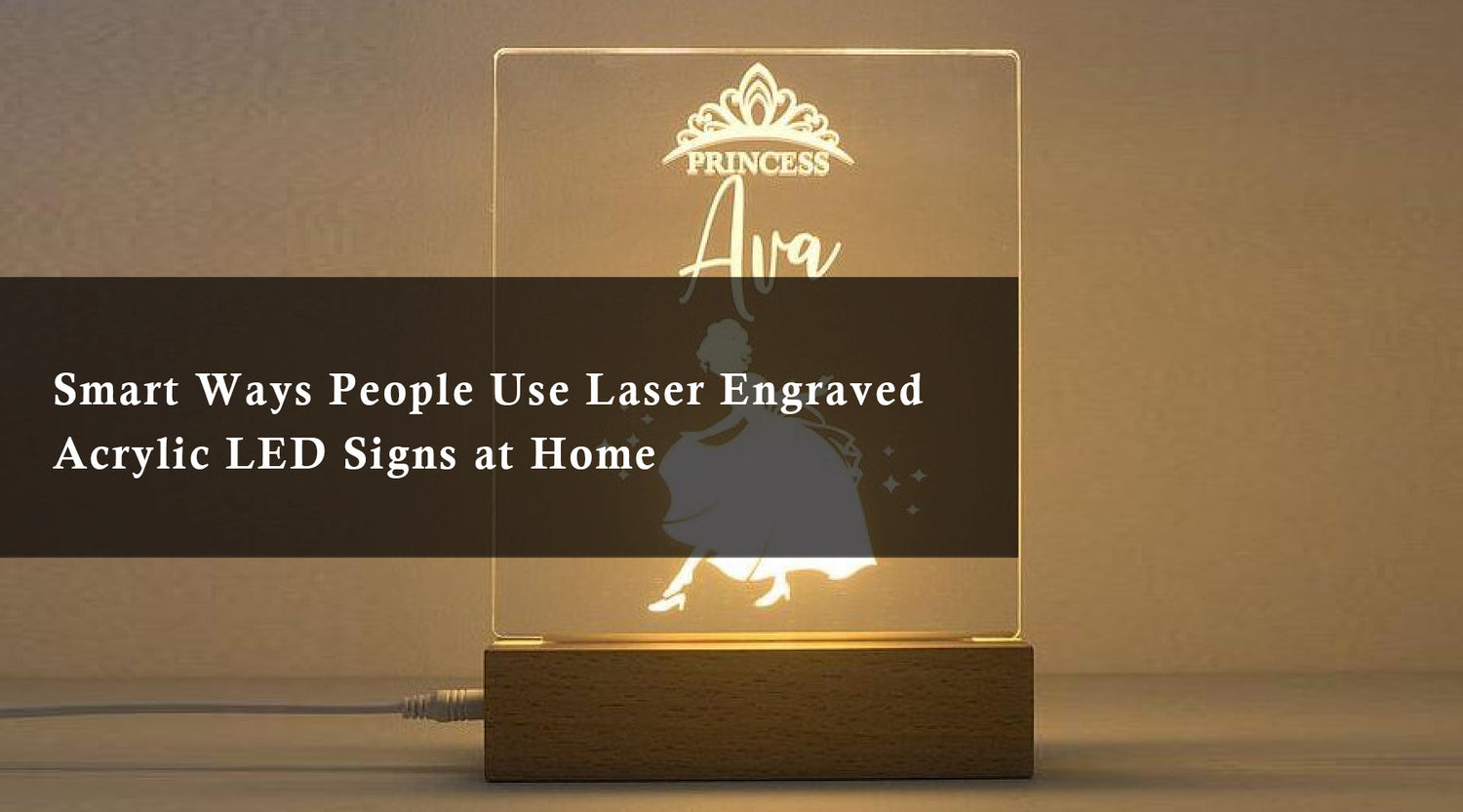
Custom signage: Create personalized nameplates, business signs, and event decorations.
-
Jewelry organizers: Design earring holders, bracelet stands, and storage trays.
-
Decorative artwork: Combine coloured acrylic layers to create geometric patterns and wall displays.
-
Key holders: Cut custom shapes with openings for hooks and mounting hardware.
-
Personalized gifts: Add names, dates, or decorative motifs to suitable acrylic products.
Choose each project based on the machine's capabilities, the material requirements, and the intended use of the finished product.
Tips for Successful Acrylic Laser Cutting
To get better results from your acrylic laser cutting machine, follow thes practical guidelines:
-
Choose compatible acrylic: Confirm that the material is suitable for CO2 laser processing.
-
Check the thickness: Make sure the sheet is within the machine's cutting capabilities.
-
Use accurate designs: Check dimensions, line placement, and mounting holes before cutting.
-
Test first: Use scrap material to assess edge quality and engraving contrast.
-
Maintain ventilation: Use the approved exhaust system and keep the work area clear.
-
Maintain the machine: Follow the manufacturer's cleaning and inspection schedule.
These habits help improve consistency, reduce material waste, and support safer project development.
Conclusion
Makerspaces encourage creativity by giving people access to tools and opportunities to develop practical skills. An acrylic laser cutting machine can expand those possibilities, making it easier to create detailed designs, personalized accessories, and functional products.
With the Monport 100W CO2 Laser Engraver & Cutter, makers can explore compatible acrylic cutting and engraving projects, including a custom DIY necklace rack. By preparing accurate designs, testing material settings, and following proper safety procedures, you can turn creative ideas into useful, personalized creations.