


Rust can turn a useful metal part into a frustrating maintenance problem. From automotive components to industrial tools, corrosion affects appearance, surface quality, and sometimes the usefulness of metal equipment.
Fiber laser rust removal offers a modern way to clean metal surfaces by directing concentrated laser energy at unwanted rust and contaminants. Unlike traditional methods that rely on abrasive materials or chemical solutions, laser cleaning can remove surface buildup with less direct contact, making it an interesting option for workshops, manufacturers, and restoration professionals.
Understanding how lazer rust removal works, which materials it suits, and what to consider before investing in a machine can help you decide whether this technology fits your project.
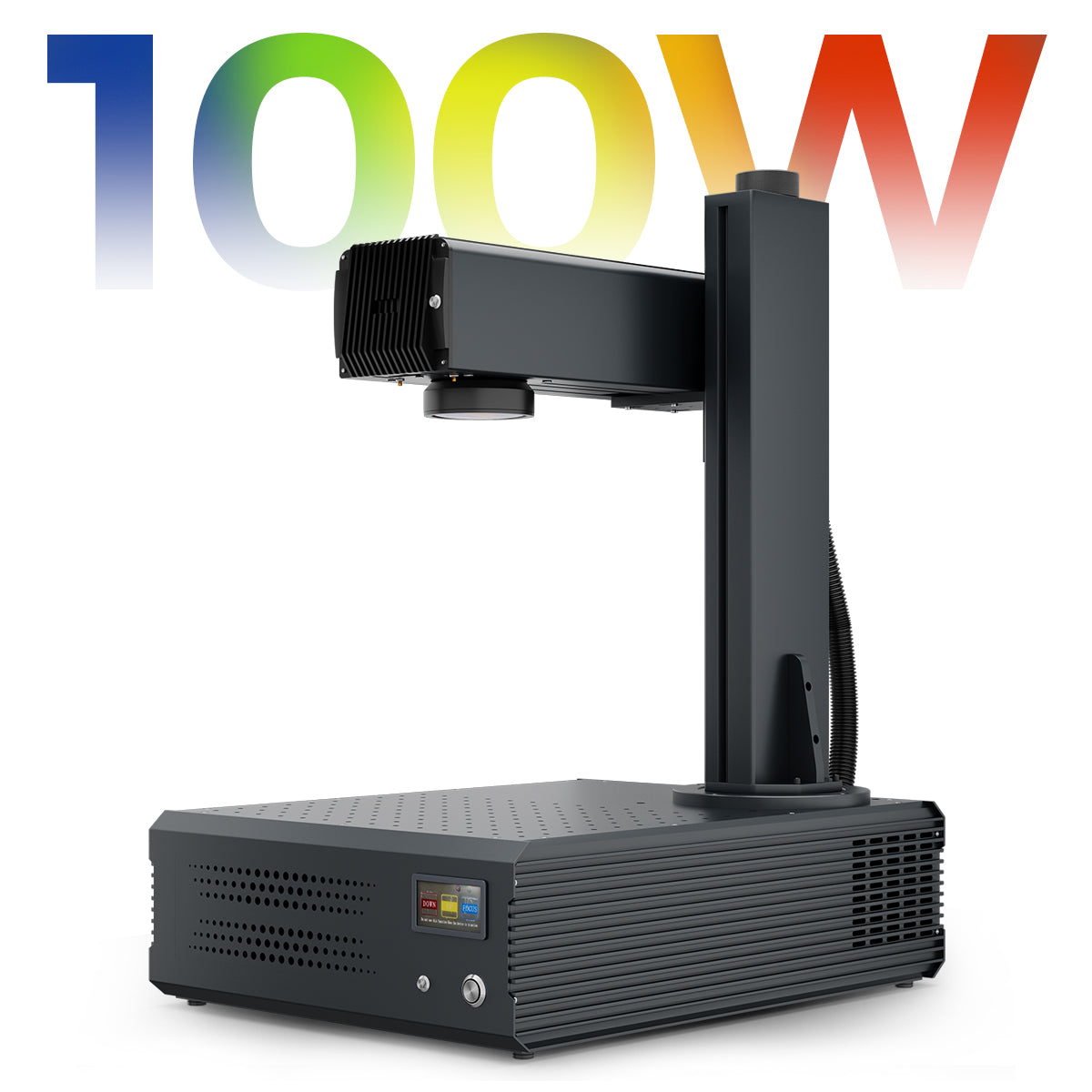
Monport GA 100W MOPA Fiber Laser Integrated Engraver & Color Marking Machine with AutoFocus

What Is Laser Rust Removal and How Does It Work?
Laser rust removal is a cleaning process that uses a focused laser beam to remove rust, oxidation, paint, and other unwanted surface materials from metal.
The process works through controlled energy absorption. The laser interacts with the rust layer, causing it to heat, break apart, or separate from the underlying surface. With the right settings, the operator can remove unwanted material while limiting the effect on the base metal.
This is the principle behind removing rust laser technology: the goal is to clean the surface without relying on grinding wheels, sandpaper, or chemical rust removers.

How Does a Laser Remove Rust?
A laser cleaning system directs energy toward a contaminated surface. The rust absorbs the laser energy differently from the underlying metal, allowing the operator to remove the unwanted layer through carefully controlled passes.
However, results depend on several factors:
-
Rust thickness and severity
-
Metal type and surface condition
-
Laser power and pulse characteristics
-
Scanning speed and coverage
-
Distance between the laser head and workpiece
A heavily corroded steel component may require a different approach from a thin layer of oxidation on a precision metal part.
What Are the Benefits of Fiber Laser Rust Removal?

Fiber lasers are widely used in industrial metal processing because they offer focused energy delivery, precision, and efficient operation.
When considering a laser to remove rust, the main advantage is control. Operators can adjust the cleaning process to suit the material and contamination level instead of applying the same abrasive method to every surface.
Reduced Abrasive Contact
Traditional rust removal methods can scratch or wear down the surface. Laser cleaning uses a non-contact process, which can be useful for detailed metal components and surfaces where preserving the original shape matters.
More Consistent Surface Cleaning
With suitable settings and a controlled scanning pattern, laser cleaning can provide repeatable results across multiple parts.
This is particularly useful for manufacturers cleaning metal components before coating, welding, or further processing.
Less Dependence on Chemical Cleaning
Laser cleaning does not require chemical rust-removal solutions as its primary cleaning method. This can reduce chemical handling and cleanup requirements.
However, the process still requires appropriate ventilation, protective equipment, and safe handling of removed contaminants.
What Applications Use Laser Rust Cleaning?

The usefulness of rust laser cleaning extends beyond restoring old metal objects. It can support a range of industrial and workshop applications.
Automotive Parts and Metal Components
Automotive workshops may use laser cleaning to remove oxidation from selected metal components, tools, and parts that require surface preparation.
For example, a workshop restoring an older steel component may use laser cleaning to remove surface rust before inspecting or refinishing it.
Industrial Maintenance
Factories and maintenance teams can use laser cleaning to prepare metal surfaces for further processing.
Removing rust before coating or other surface treatments can help create a cleaner starting point. The required surface condition will depend on the coating or manufacturing process.
Metal Restoration and Precision Work
Restoration projects often involve parts with intricate details or irregular shapes. A controlled laser process can be useful when abrasive cleaning would remove too much material.
Still, delicate, plated, painted, or historically valuable components should be tested carefully before cleaning.
What Should You Consider Before Choosing a Laser Cleaning Machine?

Not every fiber laser system is designed for the same purpose. A machine intended for marking or engraving may require a different configuration from a dedicated laser cleaning system.
Before investing in fiber laser rust removal equipment, consider the following factors.
Laser power: Higher power can increase processing capability, but it does not automatically guarantee better cleaning results.
Pulse control: Pulse duration and frequency influence how energy interacts with the surface. Different contaminants and materials may require different settings.
Working area: Consider the size of the parts you expect to clean. Large industrial components may need a different setup from small metal objects.
Safety: Laser cleaning can create hazardous reflections, fumes, and airborne particles. Use an appropriate enclosure, extraction system, protective equipment, and operating procedures.
Material compatibility: Always test the cleaning process on a small, inconspicuous area first. Excessive energy can damage the underlying metal.
Where Does the Monport GA 100W MOPA Fiber Laser Fit?

For businesses exploring fiber laser technology, the Monport GA 100W Upgraded Integrated MOPA Fiber Laser Engraver & Marking Machine with Auto Focus offers a compact system for metal marking and engraving applications.
Its specifications include:
| Specification | Monport GA 100W |
|---|---|
| Laser power | 100W |
| Wavelength | 1064 nm |
| Working area | 6.9 × 6.9 inches |
| Machine dimensions | 50 × 37.5 × 65 cm |
| Marking speed | Up to 10,000 mm/s |
| Expected service life (MTTF) | 100,000 hours |
The integrated design combines the laser optics, galvanometer, and autofocus system in one machine. Its one-touch autofocus feature has a stated positioning error of less than ±1 mm, helping simplify setup for marking tasks.
The system also supports adjustable laser frequency from 1–3000 kHz and pulse width from 2–500 ns. These controls are relevant to applications such as stainless steel color marking, anodized aluminum black marking, and precision engraving.
Important: The provided GA 100W specifications describe a fiber laser marking and engraving machine. They do not establish a dedicated rust-cleaning configuration or validated rust-removal performance. Confirm that the machine and its configuration are suitable for your intended cleaning application before purchasing.
If your workshop handles several metal-processing tasks, Monport's fiber laser range may offer options worth exploring for marking, engraving, and other compatible applications.
Key Takeaways
-
Fiber laser cleaning uses concentrated laser energy to remove rust and other surface contaminants.
-
Results depend on laser settings, material type, rust thickness, and scanning technique.
-
Laser cleaning can reduce abrasive contact, but it still requires proper safety measures.
-
Not every fiber laser marking machine is automatically suitable for rust removal.
-
Test the process carefully and confirm equipment compatibility before investing.
Conclusion
Fiber laser rust removal provides a practical alternative to traditional abrasive cleaning for suitable metal surfaces. By understanding how lazer rust removal works, operators can make better decisions about cleaning methods, equipment, and material compatibility.
Whether you are removing rust laser from industrial components or researching a laser to remove rust for restoration projects, the right system depends on your cleaning requirements. Effective rust laser cleaning requires more than laser power alone; it depends on the correct settings, surface preparation, and safe operation.
Monport offers fiber laser equipment for a range of metal-processing applications. Explore the available systems and confirm their suitability for your project before making a final decision.
Frequently Asked Questions
1. Can a laser remove rust from metal?
Yes. Laser cleaning can remove rust from suitable metal surfaces by directing concentrated laser energy at the corrosion layer. The results depend on the material, rust thickness, and laser settings.
2. Is laser rust removal better than sandblasting?
Laser cleaning can offer greater control and less abrasive contact, making it useful for certain precision applications. Sandblasting may be more practical for large surfaces or heavy corrosion, depending on the project.
3. Does laser rust removal damage the metal underneath?
It can if the laser settings are unsuitable. Proper power, scanning speed, and pulse control help limit damage, but testing is essential before cleaning valuable or delicate parts.
4. What type of laser is used for rust removal?
Fiber lasers are commonly used for metal cleaning applications. Pulsed and continuous-wave systems have different characteristics, and the appropriate choice depends on the material, contamination, and cleaning requirements.
5. Can a 100W fiber laser remove rust?
A 100W fiber laser may be suitable for certain cleaning applications, but power alone does not confirm performance. The laser type, configuration, pulse characteristics, and manufacturer-approved operating parameters must also be considered.


