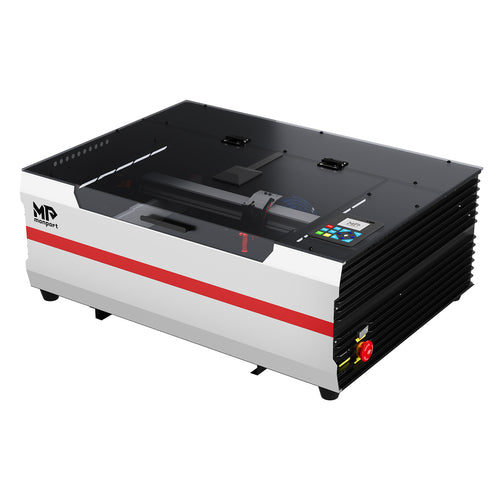
A laser engraved wine glass instantly upgrades any gift, event, or brand presentation—clean frosting, crisp detail, and a premium feel customers love. This guide keeps the original “Mega CO2 + engraved wine glass” intent, but updates everything to Monport’s current promoted model: Mega S, built around intelligent precision and workflow-focused design.
For the latest Mega S specs, options, and official details, start here: Monport Mega S 70W Desktop CO2 Laser Engraver & Cutter .

Why a laser engraved wine glass is such a high-value project
- Premium look: frosted engraving feels upscale with no printing or peeling.
- Perfect for sets: weddings, anniversaries, corporate gifting, restaurants, and events.
- Fast personalization: names, dates, monograms, logos, and short quotes.
Why Mega S is a strong fit for engraved wine glass workflows
“Speed” and “quality” on glass come from stability: repeatable positioning, reliable focus, and a workflow that reduces setup friction. Mega S is positioned as a 70W CO2 desktop machine with a 700 × 350 mm working space and a headline max working speed of 600 mm/s, plus camera-based positioning and support up to 1000 DPI for engraving.
Confirm Mega S specs and configurations here: View Mega S specs for laser engraved wine glass production .
Curved-surface setup note (glass safety + repeatability)
For cylindrical and curved items, Mega S materials highlight a safety enclosure design with a drawer intended for engraving cylindrical and curved items. Always use a stable setup and test first on the same glass type to reduce risk and improve consistency.
How to make a laser engraved wine glass (step-by-step)
Step 1: Choose the right glass
- Pick a consistent glass style (avoid heavy texture in the engraving zone).
- Buy one extra for testing—different coatings and thicknesses can change the finish.
Step 2: Prep the surface for clean frosting
- Clean thoroughly (oils and dust cause uneven marks).
- Optional: test masking tape on the engraving area to help manage residue and surface stress.
- Mark a simple “front reference” so every glass aligns the same way.
Step 3: Design for readability on glass
- Use bold fonts and clean outlines for the best visibility on a curved surface.
- Avoid ultra-thin lines until your settings are dialed in.
- Keep the design within a comfortable band (avoid extreme curvature zones near the rim or base).
Step 4: Secure the glass (the most important success factor)
The #1 reason a laser engraved wine glass fails is movement. Use a repeatable fixture or positioning method so the glass cannot shift. If you’re producing sets, build a consistent jig and keep every placement identical.
Step 5: Run a quick test grid (the fastest route to “best settings”)
Create a small test grid and vary power and speed. Choose the square with clean frosting and minimal chipping/rough edges, then save it as a preset for that glass style.
Step 6: Engrave and finish
- Engrave using your chosen preset (1 pass first—avoid stacking heat).
- Wipe residue gently with a soft cloth (avoid abrasive scrubbing).
- Repeat with the same alignment reference for every glass in the set.
Starter settings for laser engraved wine glass (baseline only)
Glass varies widely, so treat these as conservative starting points and fine-tune with a test grid:
- Power: 35%–55%
- Speed: 250–450 mm/s
- DPI: 300–600 DPI (increase only after confirming edges stay clean)
- Passes: 1 pass first
- Airflow/exhaust: keep consistent during every run
Batch workflow tip: make every glass “drop in” the same way
The secret to profitable engraved wine glass work is repeatability: a jig, saved presets by glass type, and consistent cleaning/masking. Mega S is positioned with workflow features like camera preview and quick-access material parameters to help reduce setup time and keep results consistent.

Ready to start your next laser engraved wine glass set? Buy Mega S for laser engraved wine glass projects .
Watch Video
FAQs
Can Mega S engrave curved surfaces like a wine glass?
Mega S materials describe a safety enclosure design with a drawer intended for engraving cylindrical and curved items. For best results, secure the glass so it cannot shift and always run a test grid on the same glass type before production.
How do I make a laser engraved wine glass look cleaner?
Focus on stable placement, consistent cleaning, and a test-first preset. If edges look rough, try increasing speed slightly or lowering power, and keep airflow/exhaust consistent to reduce residue redeposit.
What’s the best way to batch engraved wine glass orders?
Use a repeatable jig/reference point, save presets by glass style, and keep every step consistent (cleaning, masking, placement, and airflow).