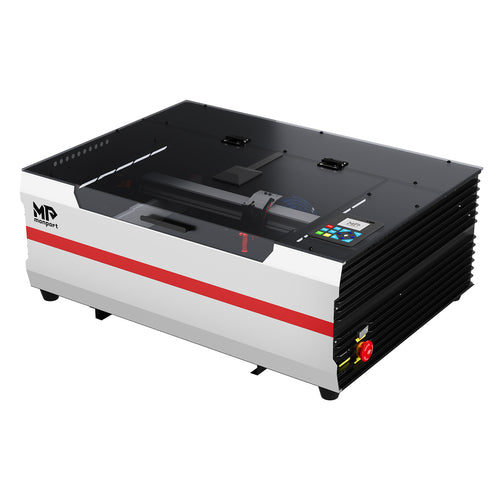
Wood engraving has a timeless charm—warm grain, bold contrast, and that “handcrafted” look customers love. But the modern way to achieve consistent detail is with a desktop CO2 laser cutter that’s built for precision and repeatable workflow. This guide keeps the original “Mega CO2 laser cutters + wood engraving” intent, updated around Monport’s current promoted model: Mega S.
If you want the latest Mega-family specs, options, and availability, start here: Monport Mega S 70W Desktop CO2 Laser Engraver & Cutter .

Why wood engraving is perfect for a CO2 laser cutter
Wood engraving rewards stable motion, consistent focus, and clean airflow. With a strong setup, you can create crisp line work, photo-style shading, deep textures, and clean-cut outlines for finished products—without the variability of hand tools.
- Detail & contrast: logos, portraits, maps, and line art translate beautifully into wood grain.
- Fast personalization: names, dates, and batch layouts help you produce more in less time.
- Versatility: from basswood and plywood to hardwood (always test—resin and density vary).
Why Mega S stands out for wood engraving (what matters in real production)
If you’re choosing a “Mega” CO2 laser cutter for wood engraving, the best question is: how quickly can you go from idea to repeatable output? Mega S is positioned for speed and precision with a 70W CO2 power class, a large 700 × 350mm working space (27.56" × 13.78"), and a headline max working speed of 600mm/s.
Want to confirm the latest Mega S specifications and features? View Mega S specs for wood engraving .
Workspace efficiency: the underrated “speed” advantage
Wood engraving projects often involve batches—ornaments, keychains, coasters, plaques, and sign panels. A larger working area lets you place more items per run, reduce repositioning, and keep results consistent across sets.
Starter settings for wood engraving (use a test grid first)
Wood varies by species, moisture, finish, and resin content, so there isn’t one universal “best” setting. The fastest way to dial in clean, high-contrast wood engraving is a small test grid on the exact wood you’ll run in production.
Practical starter ranges
- Light engraving (photos / light shading): 15%–25% power, 350–600 mm/s speed, 500–1000 DPI
- Standard engraving (logos / filled shapes): 25%–40% power, 250–450 mm/s speed, 300–600 DPI
- Deep engraving (bold texture / depth): 40%–60% power, 150–300 mm/s speed, 300–500 DPI
- Air assist: ON (helps reduce scorching and keeps edges cleaner)
The 5-minute test grid method
- Create a 4×4 grid and vary power across rows and speed across columns.
- Select the square with the best contrast and the cleanest edges (minimal charring).
- Save it as a named preset (example: “Basswood_3mm_logo_fill”).
Wood engraving project ideas that look premium (and sell well)
- Custom signs: home décor signs, business logos, address plaques, welcome boards
- Coasters & sets: monograms, family crests, wedding favors
- Wall art panels: line art, maps, layered designs, quote pieces
- Gifts & keepsakes: cutting boards, photo plaques, ornaments, milestone gifts
- Small-batch products: tags, keychains, patches (wood), templates, and branding inserts
Workflow tips for faster, cleaner wood engraving
If you want your wood engraving to look “pro” every time, focus on repeatability:
- Use simple jigs: a corner fence makes placement repeatable for batches.
- Mask light woods: low-tack masking tape can reduce smoke staining on pale woods.
- Keep airflow consistent: strong exhaust helps reduce residue redeposit on engraved areas.
- Go faster before going hotter: if edges look burned, increase speed first, then adjust power.

If you’re ready to upgrade your wood engraving workflow with Monport’s current promoted Mega-family model: Buy Mega S for wood engraving projects .
Daily maintenance habits that protect wood engraving quality
- Clean the work area: wood dust builds up fast—keep surfaces tidy for consistent results.
- Check airflow: stable exhaust helps prevent smoke haze and dark edges.
- Keep runs consistent: use presets and jigs so production stays repeatable.
Watch Video
FAQs
What wood is easiest for beginners to engrave?
Many makers start with basswood or light plywood because it engraves with strong contrast and usually has fewer resin issues than some hardwoods. Always test first.
How do I reduce scorch marks on wood engraving?
Increase speed slightly, reduce power a bit, keep air assist ON, and consider masking on lighter woods. Consistent exhaust also helps prevent smoke redeposit.
Is Mega S suitable for batch wood engraving?
Yes—wood engraving often benefits from a larger working space and repeatable placement. Use a jig and saved presets to keep batch output consistent.