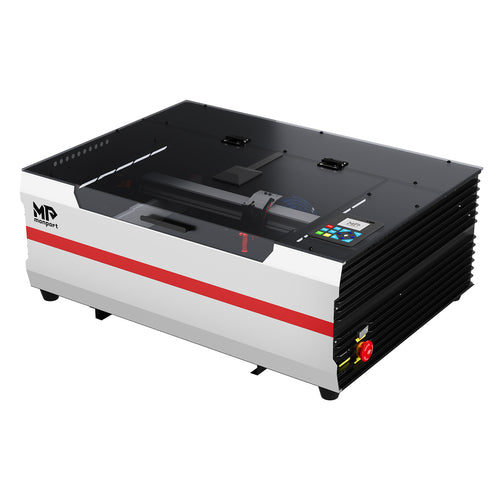
Laser cutting has become increasingly popular in recent years due to its precision, speed, and ability to create intricate designs. One of the most common materials used in laser cutting plastics or laserable plastic, but not all plastics are safe for this process. In this blog, we will discuss the best plastic for laser cutting, what plastics can be laser cut, and the safety precautions to take when laser engraving plastic and laser engraving plastic name plates.
Some users also experiment with laser cut polypropylene or other forms of laser cuttable plastics for lightweight and durable results. It’s important to verify whether these are safe plastics for laser plastics engraving to avoid hazards.

What Plastics Can Be Laser Cut
There are several types of laser cut plastic that can be safely used. These include:

-
Acrylic: Acrylic is one of the best laserable plastic due to its ability to produce clean, polished edges and its compatibility with both laser cutting plastics. Acrylic is available in various colors, thicknesses, and finishes, making it a versatile choice for a wide range of applications. It is also one of the most commonly recognized safe plastics for laser engraving plastic.
-
Polycarbonate: Polycarbonate is another popular choice for plastics laser cutting, as it is strong and durable and can withstand high temperatures. However, it is essential to use a low-power laser cutter when cutting polycarbonate, as higher power settings can cause the edges to become discolored or warped.
-
PETG: PETG is a type of polyester that is also suitable for petg laser cutting. It is known for its clarity, durability, and resistance to chemicals. PETG can be easily cut and engraved using a laser cuter, making it an ideal choice for creating intricate designs and patterns. PETG is one of the most dependable safe plastics for laser engraving plastic in both industrial and hobby settings.
Laser cut plastic varieties like PETG and acrylic are favored for signage, crafts, and small manufacturing because of their versatility and clean finish.
Note: ABS is technically a laser cuttable plastic, but it tends to produce unpleasant fumes and melted, uneven edges. Proper ventilation is a must if you plan to experiment with plastic cutting laser for ABS. Unlike PETG or acrylic, ABS is not classified as one of the safe plastics for laser engraving plastic due to its hazardous byproducts.
Best Plastics for Laser Cutting

When it comes to laser cutting plastic, some materials are better suited than others. The best include:
-
Acrylic: As mentioned above, acrylic is the top choice for laser plastics due to its versatility, ease of use, and polished finish. It is perfect for creating signs, displays, and custom parts, as well as laser engraving plastic name plates.
-
PETG: PETG is excellent for laser cut PETG and offers a combination of clarity, durability, and chemical resistance. This makes it ideal for protective covers, containers, and other functional items.
-
Polycarbonate: Strong and durable, polycarbonate can be laser cut plastic, making it perfect for parts requiring high impact resistance. Care must be taken to avoid discoloration and warping.
Laser Engraving Plastic and Laser Engraving Plastic Name Plates
Laser engraving plastic is popular because it allows detailed, intricate designs on laserable plastic surfaces. Engraving plastic for laser cutting name plates enables custom, professional-looking ID plates for offices and businesses.

Choosing the right laser cut plastic, such as acrylic or PETG, is essential. These materials engrave cleanly without melting or producing hazardous fumes.
Safety Precautions
While plastic cutting laser can produce stunning results, proper safety precautions are essential:
-
Avoid PVC or other hazardous plastics as laser plastics can produce toxic fumes.
-
Use adequate ventilation when laser cutting polypropylene or other plastics.
-
Wear protective eyewear to protect against potential laser damage.
-
Always verify if the plastic for laser cutting is safe before attempting to engrave or cut.
FAQs
-
What types of laser machines does Monport offer?
Monport provides a diverse range, including:
-
CO₂ Laser Engravers: 40W–130W for wood, acrylic, leather, and plastic for laser cutting
-
Fiber Laser Engravers: Ideal for metal marking and industrial use
-
Desktop Models: Compact options like 40W and 55W for hobbyists and small businesses
-
What materials can I engrave or cut with a Monport laser machine?
-
CO₂ Lasers: Wood, acrylic, leather, fabric, glass, and certain laser cut plastics
-
Fiber Lasers: Stainless steel, aluminum, brass, and copper
-
How do I choose between a 60W and an 80W CO₂ laser cutter?
-
60W Laser: Good for thin materials and detailed engraving on laser plastics
-
80W Laser: Deeper cuts and faster speed for thicker laser cuttable plastics
-
What software is compatible with Monport laser machines?
-
LightBurn and RDWorks allow control over laser cut plastic operations and design paths
-
Does Monport offer customer support and training resources?
Yes. They provide technical support, user manuals, tutorials, and blogs on working with plastic cutting laser materials, including PETG and polypropylene.
Conclusion
The best plastics for laser cutting plastics include acrylic, PETG, and polycarbonate. These materials provide versatility and durability, making them ideal for laser engraving plastic and name plates. Laser cut PETG and acrylic are safe choices, while ABS should be approached with caution due to fumes and uneven edges. Always prioritize safety, ventilation, and choosing safe laser cuttable plastics to protect your health and prolong the life of your machine.
For readers wanting to understand how laser engraving plastic compares with other marking methods, add:
Read more: How to Engrave Plastic: A Comprehensive Guide
Make your move today, visit Monport, and don’t forget to use BESTMP10 at checkout to claim your special offer. Your next best-selling product line could be just one laser cut away. Click here!