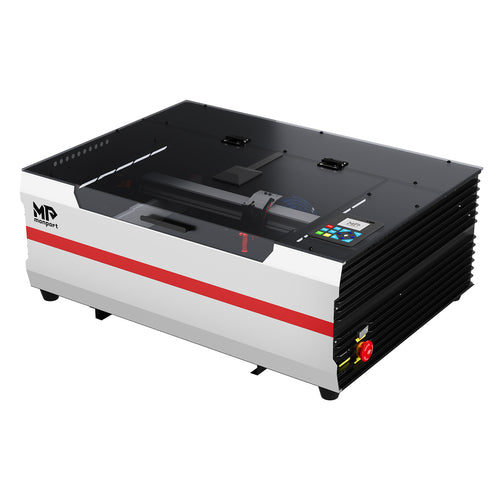
Laser engraving is a versatile and popular method for adding designs, logos, or text onto plastic surfaces. It is widely used in plastic laser etching for labels, control panels, tags, and custom branding. A laser engraved plastic surface offers durability and clarity, but there are times when you may need to remove or alter the engraving for various reasons, such as correcting mistakes, rebranding, or repurposing the item.
How to remove laser engraving from metal is an essential skill for achieving a clean and refreshed surface, especially when dealing with industrial tools or branded components. In such cases, knowing the right techniques for engraving removal from plastic can be invaluable, particularly when working with laser etching on plastic used in signage or product casings. Let’s explore some effective methods on how to remove laser engraving from plastic, how to rub off brand names off plastic surfaces, and when it’s necessary to understand how to remove laser etching from metal for professional refinishing.
Laser engravable plastic is frequently used in custom signage and tags, making these removal techniques even more relevant for businesses that rely on laser etch plastic processes for production flexibility.


Tips and Tricks: How to Rub Off Brand Names Off Plastic

Many branded items are created using plastic laser etching, which slightly melts or discolors the surface. Removing these markings requires patience and the right approach to avoid damaging the base material, especially on laser engraved plastic products.
Sanding
One of the most straightforward methods for removing laser engraving from plastic is sanding. Using fine-grit sandpaper or sanding blocks, gently sand the engraved area in a circular motion until the engraving is no longer visible. This method works well on shallow laser etching on plastic where the depth is minimal.
Be careful not to apply too much pressure or sand too aggressively, as this could damage the surface of the plastic. When working on intricate designs created by an etching machine or laser etch plastic processes, ensure uniform sanding for better results. A similar sanding approach can also be used when learning how to remove laser etching from metal, although the tools and abrasives may vary depending on the metal type.
Chemical Solutions
There are several chemical solutions available that can help dissolve or soften engraved markings, making them easier to remove. Acetone, isopropyl alcohol, or nail polish remover are commonly used for this purpose, particularly on laser engraved plastic with surface-level markings.
Apply the chosen solvent to a clean cloth or cotton ball and gently rub it over the engraved area until the markings start to fade. Be sure to work in a well-ventilated area and wear protective gloves when using chemical solutions, especially when dealing with items engraved by an etching machine or plastic laser etching setups.
How to remove laser engraving from metal is an important consideration when selecting the appropriate removal method. Similarly, how to remove laser etching from metal may require stronger solvents or commercial-grade removers designed specifically for metal surfaces.
Heat Gun
Another method for removing laser engraving from plastic is using a heat gun or hairdryer to heat the surface of the plastic. The heat helps to soften the engraved markings, making them easier to scrape off or wipe away. This technique is commonly used when laser etching on plastic has caused slight surface deformation.
Hold the heat gun or hairdryer a few inches away from the surface and move it back and forth over the engraved area until the markings begin to loosen. Use a plastic scraper or credit card to gently scrape away the softened engraving. If the design was created with an etching machine or laser etch plastic method, heat application may require extra care to preserve the plastic's integrity.
Heat is less commonly used when learning how to remove laser etching from metal, but it can sometimes aid in loosening surface coatings or paint applied after engraving.
This method is best suited for laser engravable plastic with heat-resistant characteristics to avoid warping, especially for products made through plastic laser etching.
Engraving Over
If the engraved markings are relatively shallow, one option is to engrave over them with new markings to conceal or cover them up. This approach is often used in laser etched plastic nameplates or tags where complete removal is unnecessary.
This method works best for plastic surfaces that can withstand multiple engraving passes without becoming damaged or distorted. Simply design and engrave a new pattern or text directly over the existing engraving, effectively obscuring it from view. An etching machine can be an excellent tool for achieving precise results in such cases.
Likewise, if you’re exploring how to remove laser etching from metal, covering the area with a new engraving or marking is one practical solution when complete removal is difficult.
Achieve Precision and Durability with Monport Black Laser Marking Spray
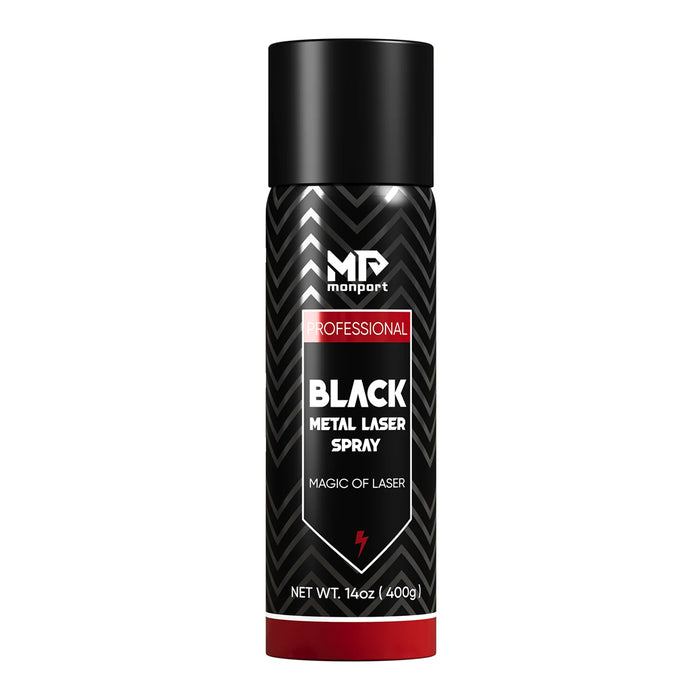
While removal methods are useful, prevention and precision matter just as much. Monport black laser marking spray is the ultimate solution for achieving high-contrast, permanent black markings on metals like aluminum, stainless steel, and brass. This is particularly helpful when precise branding reduces the need to later figure out how to remove laser etching from metal.
Specifically designed for CO2 laser engraving machines of 25 watts and above, this black laser marking spray ensures deep penetration and long-lasting results. Its advanced anti-clog nozzle provides an even and smooth application, making it easy to achieve consistent, high-quality engravings. The quick-dry formula allows the spray to dry in just five minutes, ensuring an efficient workflow.
Once engraving is complete, simply rinse off the excess spray to reveal sharp, crisp markings with no residue. Whether for customizing jewelry, personalizing glassware, or marking industrial tools, Monport solutions support both laser etching on plastic workflows and metal marking projects with exceptional durability.
FAQs
1. Can plastic laser etching be removed completely?
Yes, plastic laser etching can often be reduced or removed depending on depth and material type. Methods like sanding, chemical solvents, or heat application work best on shallow engravings.
2. Is laser engraved plastic safe to sand?
Most laser engraved plastic surfaces can be lightly sanded using fine-grit sandpaper. Always test a small area first to avoid surface damage.
3. What is the safest way to laser etch plastic for future removal?
Using lower power settings during laser etch plastic processes creates shallower marks, making future removal or rebranding much easier.
4. How does laser etching on plastic differ from engraving on metal?
Laser etching on plastic typically alters surface color or texture, while metal engraving removes material. This is why how to remove laser etching from metal often requires more aggressive methods.
5. Why is it harder to learn how to remove laser etching from metal?
Metal engravings are deeper and more permanent. Understanding how to remove laser etching from metal involves mechanical grinding, chemical treatments, or re-marking techniques.
Conclusion
While laser engraving and laser marking are considered permanent methods, these techniques can help you effectively remove or alter engraved markings on plastic surfaces when needed. This is especially useful for products created through plastic laser etching or laser engraved plastic workflows.
Remember to test any removal method on a small, inconspicuous area of the plastic first to ensure it does not cause damage or discoloration. With patience and care, and by leveraging the capabilities of an etching machine or laser etch plastic technology, you can achieve clean and satisfactory results.
For metal projects specifically, knowing how to remove laser etching from metal allows more flexibility for adjustments, refinishing, or repurposing industrial tools and decorative items. Using these tips can prolong the usefulness of your laser engravable plastic materials in both consumer and commercial projects.
Read more: How to Remove Laser Engraving from Metal with a 30 Watt Fiber Laser Engraver
Make your move today, visit Monport, and don’t forget to use BESTMP10 at checkout to claim your special offer. Your next best-selling product line could be just one laser cut away. Click here!