Laser engraving stainless steel is a versatile way to personalize jewelry, drinkware, utensils, signs, and other metal products. Whether you want to create custom gifts or develop a small engraving business, understanding how laser etching stainless steel works can help you achieve clean, detailed, and consistent results.
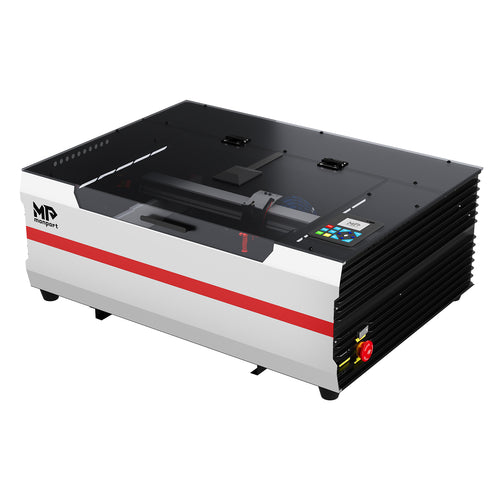
For makers exploring laser engraving color fill metal techniques, the process involves combining laser-created designs with suitable coloring methods to produce distinctive finishes. The Monport GQ 30W Fiber Laser Engraver & Marking Machine is one option for creating detailed markings on compatible metals.
This guide explains the basics of laser engraving stainless steel, how color fill works, which settings influence the results, and how to prepare your own metal engraving projects.

Monport GQ 30W (5.9" x 5.9") Fiber Laser Engraver & Marking Machine

Why Laser Engrave Stainless Steel?
Stainless steel is widely used for personalized products because it is durable, versatile, and available in different finishes. Laser etching stainless steel offers several advantages for customization.
-
Detailed designs: A suitable fiber laser can produce small text, logos, symbols, and intricate patterns.
-
Durable markings: Laser-created marks can be long-lasting, although durability depends on the marking method, surface condition, and application.
-
Repeatability: Digital artwork and controlled machine settings help reproduce designs consistently.
-
Personalization: Names, initials, business logos, and decorative graphics can turn ordinary metal items into customized products.
-
Versatile applications: Suitable stainless steel items can include jewelry, tags, signs, and selected drinkware.
The appearance of a laser mark depends on whether the process creates surface discoloration, removes material, or produces another surface modification.
How Does Laser Engraving Stainless Steel Work?

Laser engraving stainless steel uses a focused laser beam to modify the metal surface. Fiber lasers are commonly used for metal marking because their wavelength and operating characteristics suit many metal-processing applications.
The exact result depends on the material, laser parameters, and design.
Surface Marking and Material Removal
Two common approaches are surface marking and deeper engraving.
-
Surface marking: Controlled heating can change the surface appearance, producing contrasting marks without necessarily removing substantial material.
-
Material removal: Higher energy input under suitable conditions can remove material and create a recessed design.
Not every dark mark is a deep engraving, and not every laser marking process produces the same finish. Choose the method according to your desired appearance and durability requirements.
Factors That Affect Engraving Results
Several parameters influence laser etching stainless steel:
-
Laser power: Affects the energy delivered to the surface.
-
Scan speed: Influences how long the laser interacts with each area.
-
Pulse frequency and pulse duration: Affect energy delivery and surface modification on pulsed fiber laser systems.
-
Material grade and finish: Different stainless steel alloys and surface treatments can produce different results.
-
Focus and design resolution: Correct focus and appropriate artwork preparation help maintain detail.
Use the manufacturer's recommended settings as a starting point and test on a comparable scrap piece before engraving a finished product.
Color Fill Techniques for Laser-Engraved Stainless Steel
Laser engraving color fill metal projects combine a laser-created design with a separate coloring process. The best method depends on the depth of the engraving, the intended appearance, and the product's use.
1. Paint Fill
Paint filling adds color to engraved lines or recessed areas.
First, create a suitable engraved design. Apply a compatible paint or filling compound according to its instructions, ensuring the material reaches the intended areas. Remove excess product from the surrounding surface using the recommended cleaning method, then allow the fill to cure completely.
Paint fill can work well for decorative signs, nameplates, and selected jewelry pieces. However, adhesion and durability depend on the coating, surface preparation, and exposure conditions.
2. Laser-Induced Coloration
Some laser systems can produce colored effects on stainless steel through controlled changes to the surface. These results depend on the laser's capabilities, material composition, and carefully selected parameters.
Color laser engraving is not guaranteed on every fiber laser machine. Confirm that your equipment supports the desired effect before attempting to reproduce specific colors. A standard marking process may produce dark, bright, or contrasting marks rather than a full range of colors.
Using the Monport GQ 30W Fiber Laser Engraver
The Monport GQ 30W Fiber Laser Engraver & Marking Machine is designed for metal-marking applications and can be considered for projects involving compatible stainless steel components.
Its listed features include a Raycus fiber laser source, Sino-Galvo beam control, a positioning grid, and removable positioning bars. An optional rotary axis, sold separately, can help position suitable curved objects for engraving.
These features can support projects requiring accurate placement and detailed metal markings. Before purchasing or configuring the machine, verify the current product specifications and confirm that the available workspace accommodates your intended items.
How to Get Started With Laser Engraving Stainless Steel
Step 1: Prepare your design. Create or import your artwork into compatible engraving software. Use clear text, appropriate line thicknesses, and suitable image settings.
Step 2: Prepare the metal. Clean the stainless steel surface using a compatible method and secure the item properly.
Step 3: Configure the machine. Set the focus and select parameters appropriate for the metal and desired marking effect, following the manufacturer's guidance.
Step 4: Test the design. Run a test on comparable scrap material to check contrast, detail, and surface quality.
Step 5: Engrave the final item. Confirm the positioning before starting. Use the machine's required enclosure, protective measures, and ventilation.
Step 6: Finish the project. Remove residue using a suitable cleaning method. If you plan to apply a color fill, follow the filling product's instructions and allow it to cure before handling the finished item.
Never operate a laser with its required safety enclosure or interlocks bypassed. Use the manufacturer's specified protective equipment and follow the machine's operating instructions.
Creative Stainless Steel Laser Engraving Projects
Laser engraving stainless steel opens up many customization possibilities for personal projects and small businesses.
-
Personalized jewelry: Add initials, names, or simple patterns to compatible pendants, tags, and bracelets.

-
Custom utensils: Create personalized cutlery and selected metal accessories, ensuring that any engraved surface remains suitable for its intended use.

-
Business signage: Mark suitable stainless steel plates with company names, logos, or identification details.

-
Custom drinkware: Personalize compatible stainless steel cups and bottles with names, illustrations, or branding.

-
Industrial identification tags: Produce readable identification markings on suitable metal tags and components.
If you are looking for metal engraving near me, compare local providers by asking about stainless steel compatibility, engraving depth, color fill options, turnaround time, and sample results. A local service can be a practical alternative if you only need a few items customized.
Frequently Asked Questions

What materials can the Monport GQ 30W engrave?
The machine is intended for compatible metal-marking applications. Confirm the manufacturer's current specifications before assuming it can process other materials, such as wood, acrylic, or leather.
Is a fiber laser suitable for laser engraving stainless steel?
Yes. Fiber lasers are commonly used for stainless steel marking and engraving. The appropriate settings depend on the material and the desired result.
Can beginners learn laser engraving stainless steel?
Yes, beginners can learn the process by preparing simple designs, following the machine manual, testing on scrap material, and observing all required safety precautions.
Is laser engraving stainless steel permanent?
Many laser marks are durable, but their resistance to abrasion, chemicals, and repeated cleaning depends on the marking method and application. Test the finished product under its expected conditions of use.
Can every fiber laser create color on stainless steel?
No. Color effects depend on the machine's capabilities, the metal, and the processing parameters. Paint fill is a separate finishing technique and should not be confused with laser-induced coloration.
Key Takeaways
-
Laser engraving stainless steel can create detailed markings for jewelry, drinkware, signage, and identification tags.
-
Laser engraving color fill metal techniques add a separate coloring step to suitable engraved designs.
-
Power, speed, focus, pulse parameters, and material characteristics all influence the final result.
-
The Monport GQ 30W Fiber Laser Engraver is an option for compatible metal-marking projects.
-
Test your material, verify equipment compatibility, and follow all laser safety instructions before production.
Conclusion
Laser etching stainless steel offers a practical way to create personalized metal products, from custom jewelry to business signage. By understanding surface marking, material removal, and laser engraving color fill metal techniques, you can choose an approach that suits your design and intended use.
The Monport GQ 30W Fiber Laser Engraver & Marking Machine can support compatible metal-marking projects where detailed artwork and accurate positioning matter. Whether you are experimenting with DIY designs or producing customized products for customers, focus on material compatibility, test results, and reliable finishing techniques.
Explore the Monport GQ 30W Fiber Laser Engraver to learn more about its specifications and suitability for your stainless steel engraving projects.