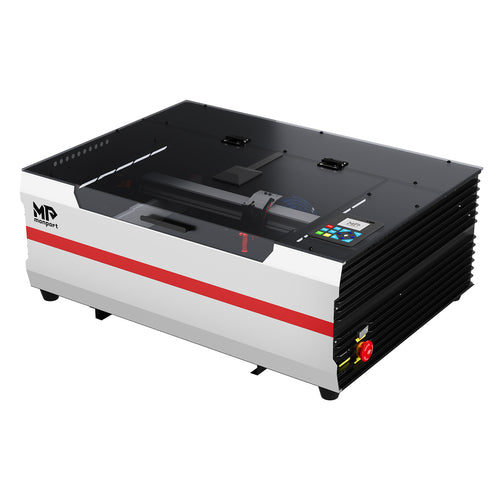
In today’s fast-paced world of manufacturing and customization, precision is everything—and that’s exactly where the fiber laser engraver shines. Whether you're marking industrial components or creating personalized metal products, this technology has quickly become a go-to solution for professionals and entrepreneurs alike.
Over the years, laser engraving has evolved from bulky, high-maintenance systems into compact, efficient, and incredibly precise machines. Among these innovations, fiber lasers stand out—especially when it comes to metal processing. A modern metal laser engraving machine can produce permanent, high-contrast markings in seconds, making it ideal for both mass production and custom work.
That’s why more users—from factories to small business owners—are exploring the best fiber laser engraver 2026 options.
But before making a purchase, most buyers ask the same questions:
-
What exactly is a fiber laser engraver?
-
What materials can it handle?
-
Should I choose a MOPA fiber laser or a standard one?
-
Is it really worth the investment?
Let’s break everything down so you can make a confident and informed decision.
Understanding Fiber Laser Engraver Machines
What Is a Fiber Laser Engraver
Before diving into specifications, it’s important to understand what makes this machine so powerful.

A fiber laser engraver is a high-precision system that uses a fiber optic laser source to engrave or mark surfaces—primarily metals and certain plastics. Unlike other engraving tools, it doesn’t rely on physical contact, which means less wear and consistently clean results.
This type of metal laser engraving machine is widely used across industries because it delivers permanent markings that don’t fade over time.
In real-world applications, you’ll find fiber lasers used for:
-
Marking serial numbers on industrial parts
-
Creating durable metal nameplates
-
Engraving jewelry and accessories
-
Producing custom metal gifts
It’s this combination of durability and detail that makes fiber lasers so valuable.
How Does a Fiber Laser Engraver Work
At first glance, a fiber laser might seem complex, but the process behind it is surprisingly efficient and streamlined.

It all starts with the laser source, which generates a highly concentrated beam of light energy. This beam is then transmitted through optical fibers and directed toward the engraving head.
Inside the machine, a system of high-speed mirrors (called galvanometers) precisely guides the laser across the material’s surface. As the beam interacts with the material, it generates heat that alters the surface structure—creating permanent marks without damaging surrounding areas.
What makes this process stand out is the combination of:
-
Speed
-
Precision
-
Stability

This is why a fiber laser engraver is often preferred for both industrial and creative applications.
What Can a Fiber Laser Engraver Be Used For
One of the biggest advantages of a fiber laser engraver is its versatility. It’s not limited to one industry—it adapts to many.
In industrial manufacturing, these machines are essential for traceability and compliance. They’re used to mark serial numbers, QR codes, and part identifiers quickly and accurately.
In the jewelry world, precision is everything. Fiber lasers allow for intricate engraving on rings, pendants, and other fine metal pieces without damaging delicate surfaces.
For small businesses and creators, a metal laser engraving machine opens the door to custom products like:

-
Personalized keychains
-
Metal business cards
-
Custom tags and labels
Even the electronics industry relies on fiber lasers for marking circuit boards and components.
Simply put, it’s a tool that grows with your needs.
Types of Fiber Laser Engravers
Choosing the right fiber laser engraver depends on both the laser technology and machine structure. The tables below break down.
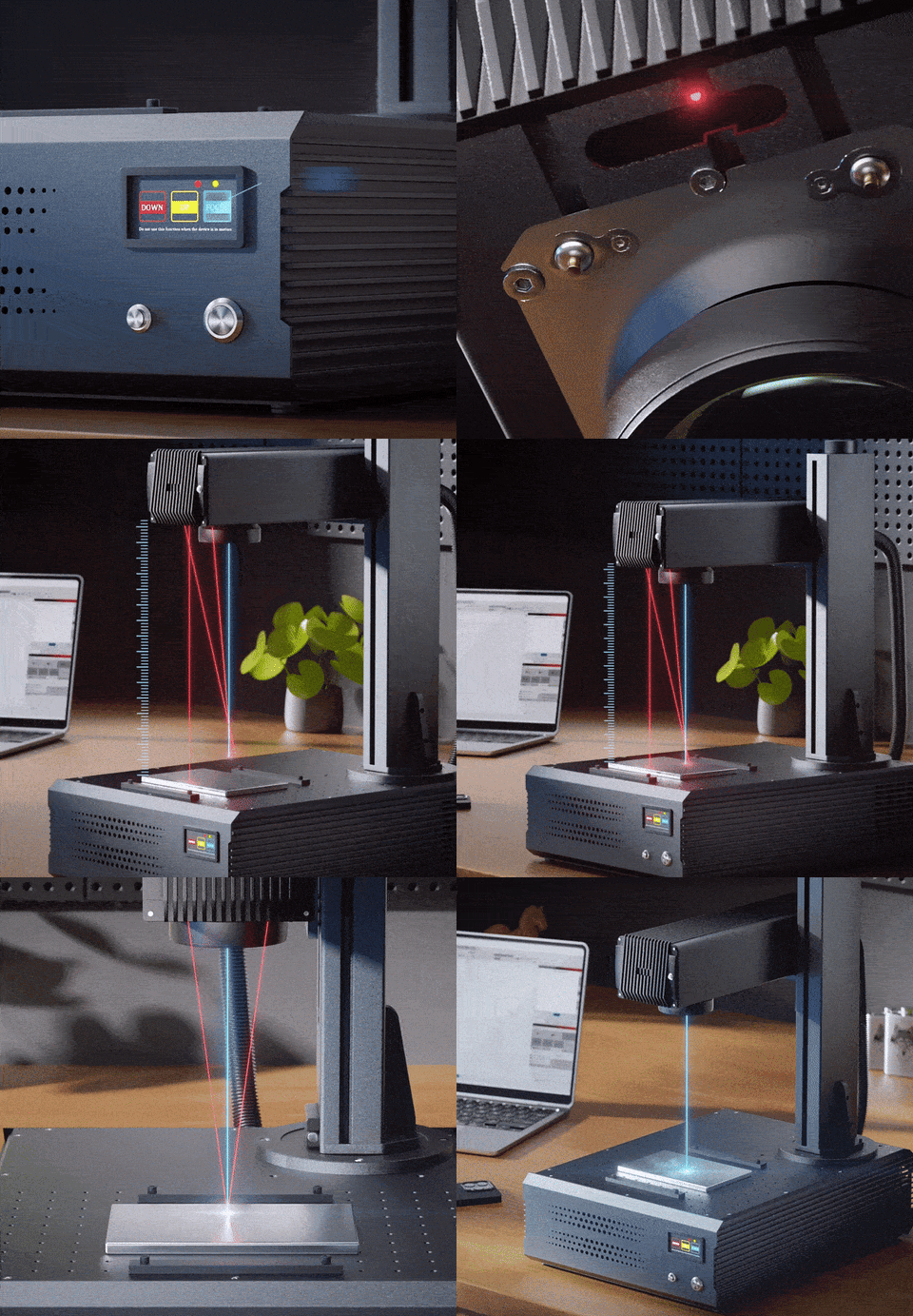
MOPA vs Standard Fiber Laser
Understanding these two technologies is essential when selecting the best fiber laser engraver 2026, especially if your work requires precision or creative flexibility.
| Feature | Standard Fiber Laser | MOPA Fiber Laser |
|---|---|---|
| Structure | Simpler design | More advanced system |
| Cost | More affordable | Higher investment |
| Control | Limited parameter control | Adjustable pulse width for precision |
| Engraving Capability | Basic metal engraving | Fine, detailed engraving |
| Special Features | Strong for deep engraving | Supports color marking on stainless steel |
| Best For | Industrial marking, deep engraving | Detailed designs, color marking, precision work |
If you need a reliable and cost-effective metal laser engraving machine for standard tasks, a standard fiber laser is sufficient. But for versatility and high-end results, a MOPA fiber laser is the better choice.
Learn more: MOPA Fiber Laser for Color Marking
Integrated vs Split Fiber Laser
Beyond laser type, the machine’s physical structure affects usability, space requirements, and production capacity.
| Feature | Integrated Fiber Laser | Split Fiber Laser |
|---|---|---|
| Design | All-in-one compact unit | Separate laser source and machine body |
| Setup | Easy installation | More complex setup |
| Footprint | Space-saving | Requires more space |
| Flexibility | Limited | Higher flexibility |
| Performance | Suitable for light to medium use | Better for heavy-duty, long operation |
| Ideal Users | Beginners, small workshops | Factories, industrial users |
| Best For | Entry-level and small-scale production | Continuous operation and large-scale production |
An integrated fiber laser engraver is perfect for beginners or limited spaces, while a split metal laser engraving machine is better suited for demanding industrial environments.
Materials Suitable for Fiber Laser Engraving
A fiber laser engraver is especially powerful when working with metals.

Metal Materials
-
Stainless steel
-
Aluminum
-
Copper
-
Brass
-
Titanium
-
Gold and silver
These are the most common materials for any metal laser engraving machine.
Plastic Materials
Certain plastics can also be processed:
-
ABS
-
Polycarbonate
-
PVC
Common in electronics and industrial components.
Other Materials
-
Stone
-
Coated materials
-
Anodized aluminum
Learn more: Metal Laser Engraving Business for Beginners
Is a Fiber Laser Engraver Worth Buying
If you're on the fence, it helps to look at the bigger picture—not just the cost, but the value.
A fiber laser engraver delivers unmatched precision, allowing you to produce clean, detailed results consistently. For businesses, this translates directly into higher-quality products.
Speed is another major advantage. These machines are built for efficiency, making them ideal for batch production and scaling operations.
On top of that, fiber lasers are known for their long lifespan and low maintenance requirements. Unlike other systems, they don’t require frequent part replacements, which reduces long-term costs.
Most importantly, they create real business opportunities. Many entrepreneurs use a metal laser engraving machine to start or expand services like:
-
Custom engraving
-
Industrial marking
-
Personalized product businesses
For many users, investing in the best fiber laser engraver 2026 isn’t just a purchase—it’s a business move.
Key Features and Specifications to Consider
Before buying a fiber laser engraver, evaluate these important factors:
Laser Power
-
20W: Entry-level engraving
-
30W: Balanced performance
-
50W: Faster and deeper engraving
Working Area
Choose based on your product size:
-
Small for jewelry
-
Medium for general use
Engraving Speed
Higher speed improves productivity and efficiency.
Software Compatibility
Common options:
-
EZCAD
-
LightBurn
Rotary Attachment
Essential for engraving cylindrical objects like:
-
Rings
-
Tubes
-
Metal bottles
Why Choose Monport Fiber Laser Engraver Machines
With so many options on the market, choosing the right brand matters. Monport has positioned itself as a reliable choice for users looking for performance, flexibility, and ease of use.
Each fiber laser engraver from Monport is built with a stable laser system, ensuring consistent output even during long working hours. This reliability is crucial for both businesses and professionals.
Precision is another strong point. Whether you’re engraving fine jewelry or industrial parts, Monport machines deliver clean, detailed results.
What makes them especially appealing is their user-friendly design. Even beginners can get started quickly without a steep learning curve.
Monport also offers a wide range of fiber laser models to suit different needs:
-
GM Pro Series Fiber Laser – Autofocus integrated machines for efficient workflows
-
GA Series MOPA Fiber Laser – Advanced MOPA fiber laser systems for precision and color engraving
-
GT Series Fiber Laser – Autofocus split machines for industrial flexibility
-
GPro Series Fiber laser – Upgraded split machines for demanding production environments
No matter your experience level, there’s a metal laser engraving machine designed for you.
Explore the full Monport Fiber Laser Collection
Frequently Asked Questions
1. What is a fiber laser engraver?
A fiber laser engraver is a machine that uses a fiber laser to mark or engrave materials, mainly metals. It offers higher precision and speed than other laser types.
2. What materials can a fiber laser engrave?
A fiber laser can engrave metals like stainless steel, aluminum, brass, and gold. It can also mark some plastics and coated materials.
3. Is a MOPA fiber laser better than a standard one?
A MOPA fiber laser offers more control and can create finer details and color markings. It’s better for advanced and detailed work.
4. What power do I need for a fiber laser engraver?
20W is good for light marking, 30W for general use, and 50W for deeper engraving and faster production.
5. Is a fiber laser engraver worth it for small businesses?
Yes, a fiber laser engraver is ideal for small businesses due to its speed, low maintenance, and ability to create custom metal products.
6. Can a fiber laser engraver cut metal?
A fiber laser engraver can mark and engrave metal, but cutting requires higher-power machines specifically designed for cutting.
7. How long does a fiber laser engraver last?
A fiber laser source typically lasts up to 100,000 hours, making it a long-term and reliable investment.
8. Do fiber laser engravers require a lot of maintenance?
No, a fiber laser engraver requires minimal maintenance compared to other laser types, with no need for frequent part replacements.
9. Can beginners use a fiber laser engraver?
Yes, many modern metal laser engraving machines are user-friendly and suitable for beginners, especially integrated models.
10. What software is used for fiber laser engraving?
Most fiber laser engravers use software like EZCAD or LightBurn for design and control.
Conclusion
A fiber laser engraver is more than just a tool—it’s an investment in precision, efficiency, and business growth.
With its ability to deliver high-quality results across a wide range of materials, it has become essential in industries from manufacturing to custom product creation.
Whether you're starting a business or upgrading your current setup, choosing the best fiber laser engraver 2026 can significantly impact your productivity and profitability.
If you're ready to take the next step, exploring Monport’s fiber laser collection is a smart move. With options tailored for beginners to professionals, you can find the perfect metal laser engraving machine to match your goals.
Explore the full Monport Fiber Laser Collection and take your engraving business to the next level today.